
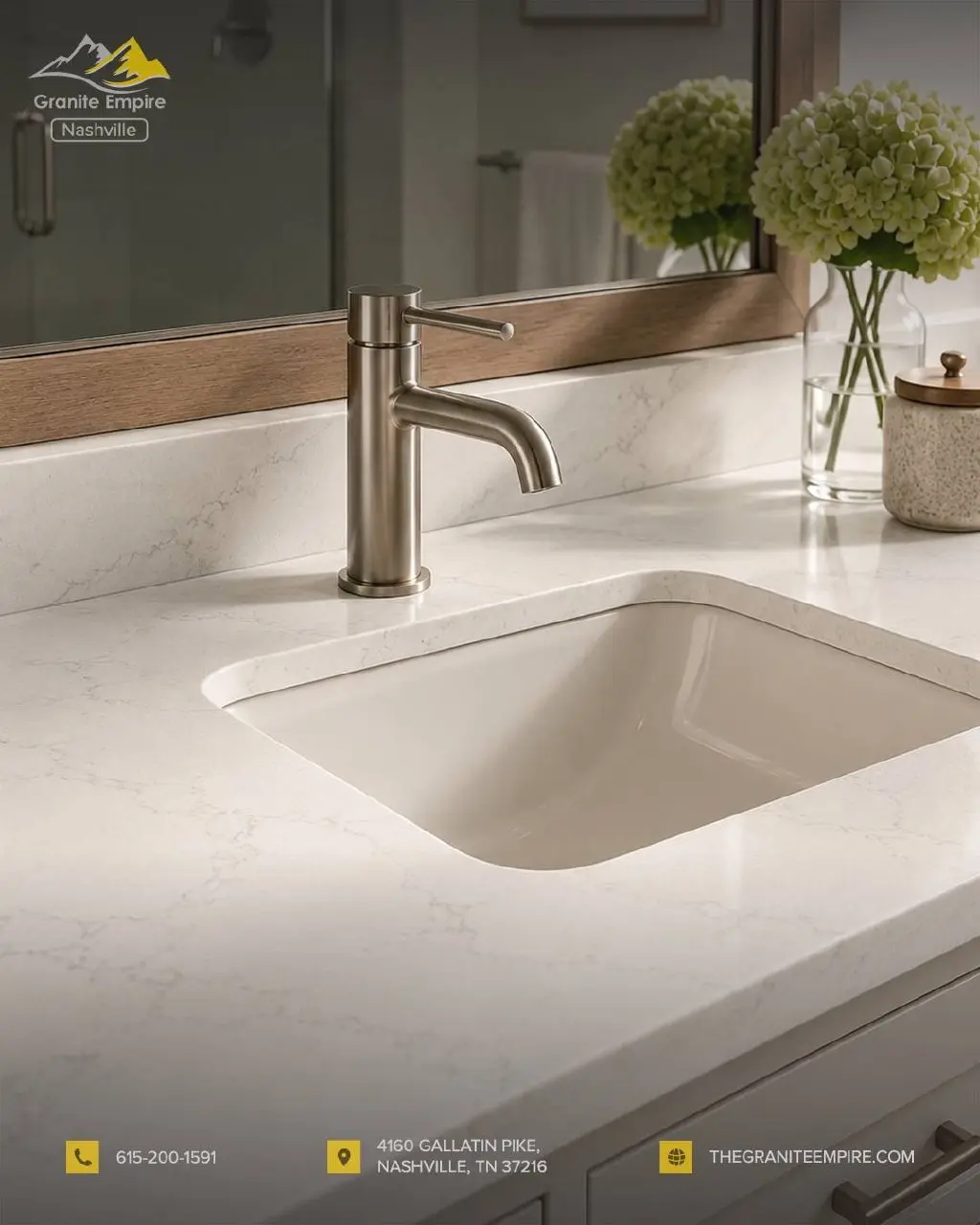
The best way to clean quartz in a bathroom without dulling the finish is to use a soft microfiber cloth, warm water, and a gentle pH-neutral cleaner. Quartz is nonporous and naturally resists moisture, so it does not require harsh chemicals, abrasive scrubbing, or frequent deep cleaning.
Many homeowners accidentally reduce the shine of their quartz by using products designed for soap scum, hard water, or heavy disinfecting. Over time, these cleaners can leave behind residue or gradually affect the surface appearance, making the countertop seem dull even though the quartz itself remains intact.
At Granite Empire of Nashville, we encourage homeowners to treat bathroom quartz with simple, consistent care instead of aggressive cleaning. A few good habits are usually enough to keep the surface looking bright for many years.
Why Does Quartz Sometimes Lose Its Shine?
Quartz usually appears dull because residue has built up on the surface, not because the material itself has worn out. Soap films, hard water minerals, hairspray, lotion, toothpaste, and cleaning product residue can gradually create a cloudy appearance.
Unlike natural stone, quartz does not need polishing or sealing to maintain its finish. If the countertop suddenly looks less glossy, the cause is often something sitting on top of the surface rather than damage inside the material.
Bathrooms create a different environment than kitchens. Steam, cosmetics, shaving products, and personal care items are used every day, allowing residue to accumulate slowly. Many homeowners only notice the change after several months.
Improper cleaning products can make the situation worse. Wax-based cleaners, furniture polish, abrasive powders, and concentrated bleach solutions may leave films that reduce the natural appearance of the quartz.
Homeowners researching quartz countertops in Millersville, TN often assume stronger cleaners produce better results. In reality, gentle daily care usually keeps quartz looking newer than aggressive scrubbing.
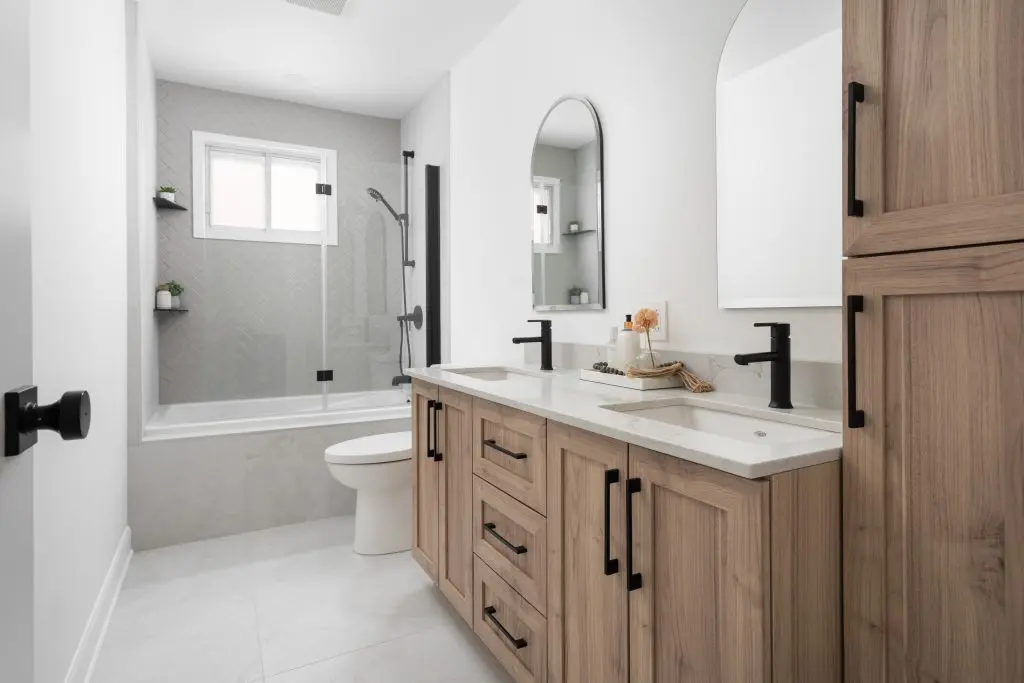
What Is the Best Daily Cleaning Routine?
The best daily routine is simple. Wipe the countertop with warm water, a microfiber cloth, and a mild dish soap or pH-neutral stone cleaner whenever needed.
After cleaning, rinse away any remaining soap with clean water and dry the surface using another soft microfiber towel. This final drying step helps prevent water spots and mineral deposits from forming.
Bathroom countertops do not usually require intensive cleaning every day. Removing toothpaste, makeup, soap residue, and standing water as they appear prevents buildup from becoming more difficult later.
Avoid using rough paper towels, scouring pads, steel wool, or stiff brushes. Quartz has excellent scratch resistance, but abrasive cleaning tools can affect the surface finish over time.
A consistent cleaning routine takes only a few minutes and reduces the need for stronger products later.
Which Cleaning Products Are Safe for Quartz?
Gentle, non-abrasive cleaners are the safest choice for quartz bathroom countertops. Products labeled as pH-neutral or specifically formulated for engineered stone generally work well.
Safe cleaning options include:
- Warm water
- Mild dish soap
- pH-neutral stone cleaner
- Microfiber cloths
- Soft non-abrasive sponges
Products to avoid include:
- Abrasive scouring powders
- Steel wool
- Oven cleaners
- Paint removers
- Strong alkaline cleaners
- Highly acidic cleaners
- Wax-based surface polishes
Disinfecting occasionally is perfectly acceptable, but concentrated disinfectants should not remain on the surface longer than recommended by the manufacturer. Always wipe the countertop with clean water afterward.
Quartz is nonporous, so dirt and bacteria remain on the surface instead of penetrating into the material. That makes gentle cleaning surprisingly effective for normal bathroom use.
How Do You Remove Soap Scum, Toothpaste, and Makeup?
Most common bathroom residue can be removed using a damp microfiber cloth and a mild cleaner before it has time to harden. Fresh spills are almost always easier to clean than dried deposits.
| Bathroom residue | Recommended cleaning method |
|---|---|
| Toothpaste | Warm water and microfiber cloth |
| Soap residue | Mild soap with soft cloth, then rinse |
| Makeup | Gentle stone cleaner and microfiber cloth |
| Lotion | Mild dish soap followed by clean water |
| Hard water spots | pH-neutral cleaner and thorough drying |
For stubborn residue, allow the cleaner to remain on the surface for several minutes before wiping. This softens the buildup without requiring aggressive scrubbing.
Avoid scraping with metal blades or sharp tools. If necessary, use a plastic scraper designed for delicate surfaces.
The most effective approach is preventing buildup altogether. Quickly wiping away cosmetics and personal care products keeps the countertop looking consistently clean with minimal effort.
Can Hard Water Damage Quartz?
Hard water usually does not damage quartz itself, but it can leave mineral deposits that reduce the countertop’s appearance. These white or cloudy spots often appear around faucets where water repeatedly dries on the surface.
Many homeowners mistake mineral buildup for permanent damage. Fortunately, most hard water deposits sit on top of the quartz rather than inside it.
Drying the countertop after use is one of the easiest ways to prevent these spots. Bathrooms with high mineral content in the water supply may require slightly more frequent wiping.
Homeowners installing quartz countertops in Millersville, TN should also check plumbing fixtures for slow drips. Constant dripping creates concentrated mineral deposits that become more difficult to remove over time.
If hard water stains become stubborn, use a cleaner specifically approved for quartz rather than experimenting with acidic household products.
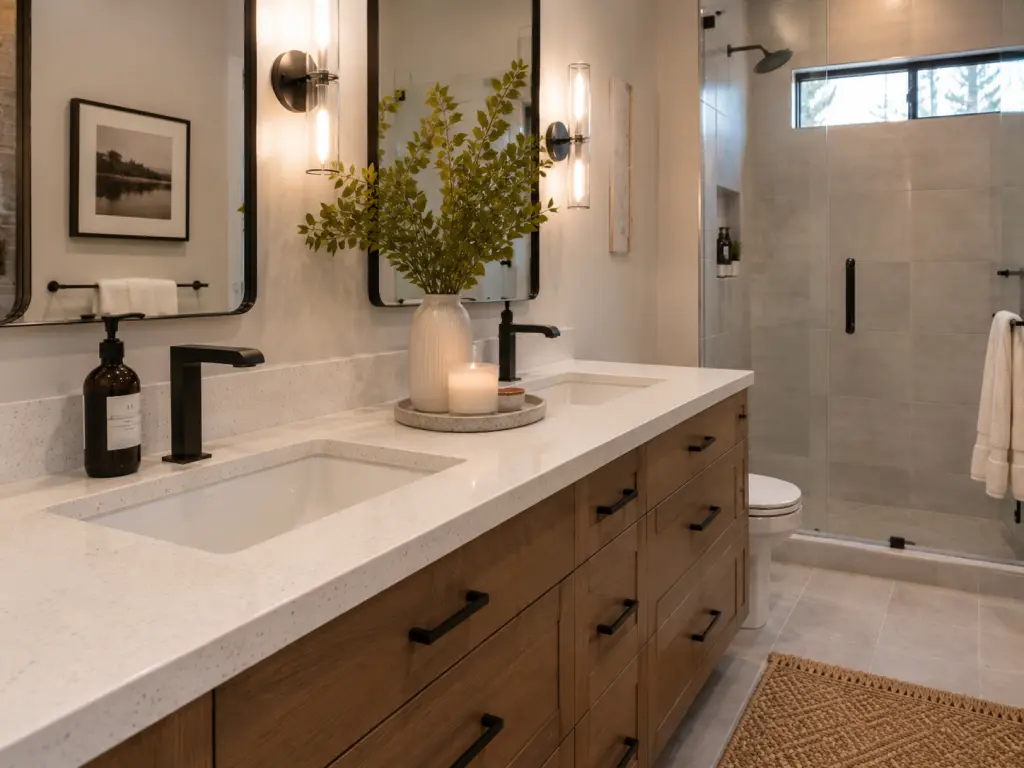
What Habits Help Keep Quartz Looking New?
Simple daily habits make a significant difference in maintaining the original finish of quartz. Most problems develop gradually rather than from a single event.
We recommend:
- Wiping water from around faucets
- Cleaning makeup spills promptly
- Removing soap residue regularly
- Using soft microfiber cloths
- Avoiding abrasive cleaning products
- Keeping highly concentrated chemicals off the surface
Bathroom accessories can also help. Soap dispensers, trays, and organizers prevent lotions, perfumes, and cosmetics from sitting directly on the quartz for long periods.
Although quartz is highly stain resistant, leaving products on the surface for days is never ideal. Regular light cleaning is much easier than occasional heavy cleaning.
Quartz performs especially well in bathrooms because it does not require routine sealing and resists moisture extremely well, making maintenance straightforward for busy households.
Is Quartz a Good Choice for Bathroom Countertops?
Yes, quartz is one of the best countertop materials available for bathrooms. Its nonporous surface resists moisture, everyday stains, and bacteria while providing a consistent appearance that works with both modern and traditional designs.
Quartz is available in a wide range of colors, from clean whites to dramatic marble-inspired patterns and darker contemporary designs. Because it is engineered, homeowners can often achieve a very consistent look throughout multiple bathrooms.
At Granite Empire of Nashville, quartz starts at approximately $58 per square foot, while granite starts at $48 and marble starts at $68. Final pricing depends on slab selection, measurements, edge profile, cutouts, sinks, and installation requirements.
Our typical projects take approximately 2–3 weeks from consultation to installation. Fabrication usually requires 7–10 business days after templating, and most bathroom installations are completed within 1–2 days.
For homeowners considering quartz countertops in Millersville, TN, quartz remains one of the easiest premium materials to maintain while delivering excellent long-term durability and appearance.
Frequently Asked Questions
Can I use disinfecting wipes on quartz?
Occasional use is generally acceptable if the product is safe for quartz. Avoid allowing strong disinfectants to remain on the surface for extended periods, and wipe with clean water afterward.
Does quartz need polishing?
No. Quartz does not require polishing to maintain its original finish. If the surface looks dull, residue buildup is often the cause rather than wear.
Is vinegar safe for cleaning quartz?
Regular use of vinegar is not recommended because acidic cleaners may affect the surface over time. A pH-neutral cleaner is a better long-term choice.
How often should I clean bathroom quartz?
Light daily cleaning and prompt removal of spills are usually sufficient. More thorough cleaning can be done weekly depending on how frequently the bathroom is used.
Does Granite Empire of Nashville serve Millersville, TN?
Yes. We regularly serve homeowners looking for quartz countertops in Millersville, TN. Although our showroom is located in Nashville, our team provides design assistance, templating, fabrication, delivery, and professional installation throughout Millersville and nearby communities.
Granite Empire of Nashville
4160 Gallatin Pike
Nashville, TN 37216
Phone: (615) 200-1591