

The kitchen island has become the centerpiece of modern kitchen design—a space that combines function, style, and social interaction. And when it comes to enhancing the beauty and luxury of an island, few features make as dramatic an impact as the waterfall edge. Sleek, continuous, and visually striking, the waterfall edge allows the countertop material to “flow” seamlessly down the sides of the island, creating a sculptural effect that feels both contemporary and timeless.
At Granite Empire of Nashville, we’ve seen a growing number of homeowners choosing this design feature to elevate their kitchen spaces. If you’re considering upgrading your kitchen island and are exploring countertops in Portland, TN, this guide will help you understand what makes the waterfall edge so appealing, how it functions, and why it might be the perfect fit for your next remodel.
What Exactly Is a Waterfall Edge, and Why Is It So Popular?
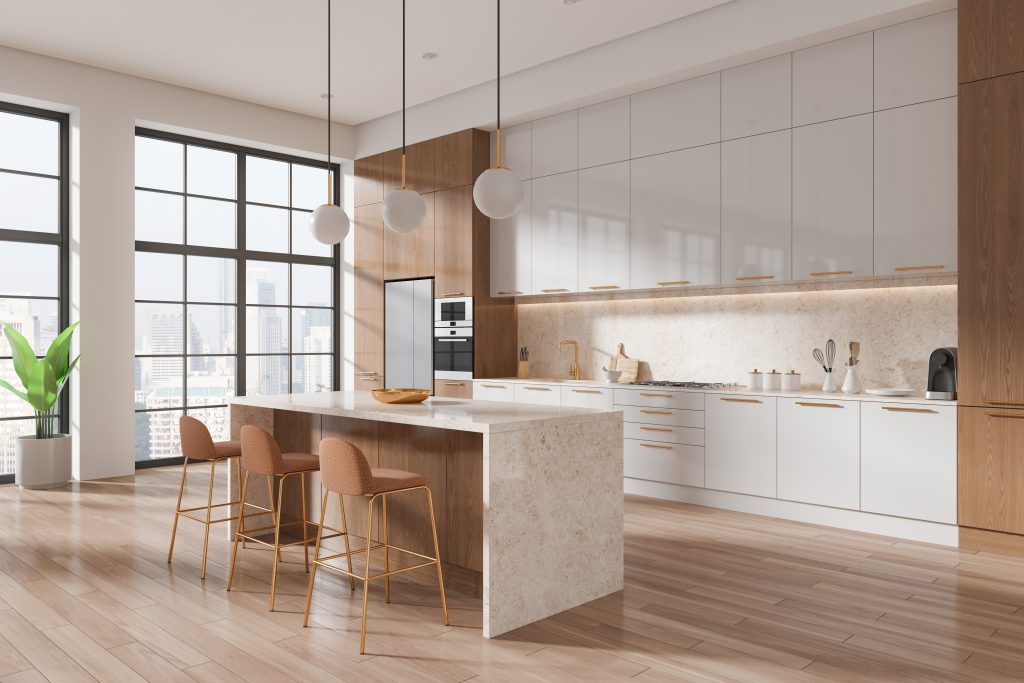
A waterfall edge refers to a countertop design where the material extends vertically down the sides of an island or cabinet, creating a continuous, unbroken surface from the top to the floor. Unlike traditional countertop edges that end at the perimeter, this design wraps the stone around the sides, emphasizing the beauty and texture of the material.
The popularity of the waterfall edge lies in its ability to blend practicality with visual drama. It transforms an ordinary kitchen island into a sculptural centerpiece. The clean, linear flow of the design complements both modern and transitional interiors, offering a luxurious yet minimalistic aesthetic.
For homeowners choosing countertops, the waterfall edge represents an investment in long-term style. It showcases the natural beauty of materials like granite, quartz, and marble, highlighting their veining and texture in a bold, architectural way. The look is especially impactful in open-concept kitchens, where the island is often the first feature guests notice.
Beyond aesthetics, the waterfall edge also provides practical benefits. It protects cabinetry from scratches, spills, and damage caused by everyday use. Because the countertop material extends down the sides, it acts as a barrier against bumps from chairs or appliances, keeping your island looking new for years to come.
How Does a Waterfall Edge Complement Different Kitchen Styles?
One of the most remarkable things about the waterfall edge is its versatility. It can enhance a wide range of kitchen designs, from ultra-modern to warm and rustic. The key lies in choosing the right stone and finish that complements your overall aesthetic.
In contemporary kitchens, where clean lines and minimalism reign, waterfall edges made from sleek quartz or polished granite provide a seamless and sophisticated appearance. The smooth continuity of the material enhances the sense of flow and cohesion, creating a polished look that feels effortlessly high-end.
For those who love a more natural or organic design, stones with dramatic veining—like marble or quartzite—are excellent choices. When the veining flows from the top surface down the side panels, it creates an eye-catching, cohesive design that draws attention without overwhelming the space.
If your kitchen leans traditional or transitional, pairing a waterfall edge with warm-toned materials such as beige granite or soft gray quartz can introduce a subtle modern touch while maintaining a classic feel. The design serves as a bridge between timeless elegance and modern sophistication, making it an adaptable choice for any home.
Granite Empire of Nashville offers homeowners access to premium countertops in Portland, TN, ensuring every design—whether bold or understated—achieves the perfect balance of style and craftsmanship.
Is a Waterfall Edge Practical for Everyday Use?
While it’s easy to be captivated by the beauty of a waterfall edge, practicality remains a top priority for most homeowners. Fortunately, this design isn’t just about aesthetics—it also adds functionality and protection to your kitchen.
The vertical extension of the countertop material acts as a shield for the sides of the island. In high-traffic kitchens, where kids or guests frequently interact with the space, this added protection helps prevent dents, scuffs, and wear on cabinetry. The durable nature of materials like granite and quartz ensures that the waterfall edge remains resilient against impact and spills.
Cleaning and maintenance are also straightforward. Since quartz and granite are non-porous or can be sealed easily, they resist staining and bacterial growth. The waterfall edge’s continuous design eliminates seams and grout lines that could otherwise collect dirt or debris, making it easier to wipe down and keep spotless.
However, it’s important to consider that waterfall edges require precise installation. Each slab must align perfectly to maintain the seamless effect, and that level of craftsmanship can only be achieved by experienced professionals. Homeowners investing in countertops in Portland, TN should work with experts who specialize in this style to ensure flawless execution and long-lasting durability.

What Types of Stone Work Best for Waterfall Edge Countertops?
Choosing the right material is crucial when designing a waterfall edge. Because the sides of the countertop are visible, the stone’s pattern, color, and finish play a major role in achieving the desired effect.
- Quartz: As an engineered stone, quartz offers unmatched consistency in color and veining. Its durability, low maintenance, and non-porous nature make it an ideal choice for busy kitchens. Quartz is particularly popular for waterfall designs because it allows precise pattern matching at the seams.
- Granite: Known for its natural beauty and durability, granite is a timeless option that adds depth and richness to any kitchen. Each slab of granite is unique, giving your island a one-of-a-kind character. It’s perfect for homeowners who appreciate organic variations and earthy tones.
- Marble: For those drawn to classic luxury, marble offers unmatched elegance. Its distinctive veining can create stunning visual movement in a waterfall design. While it requires a bit more maintenance to prevent etching or staining, the aesthetic reward is worth it for many homeowners.
- Quartzite: This natural stone combines the elegance of marble with the durability of granite. Its subtle veining and wide range of colors make it a strong candidate for waterfall edges, especially in kitchens aiming for a sophisticated yet natural aesthetic.
If you’re in search of countertops in Portland, TN, quartz and granite remain the most popular choices for waterfall edge installations due to their strength, beauty, and ease of maintenance. Granite Empire of Nashville provides an extensive selection of these materials, helping homeowners achieve the perfect combination of durability and design impact.
How Does the Waterfall Edge Affect Kitchen Design and Space Perception?
One of the most striking effects of the waterfall edge is its ability to influence how space is perceived. Because the material extends vertically, it visually elongates the island, creating a sense of flow and openness. This can make smaller kitchens feel more expansive and balanced.
In larger spaces, waterfall edges add a sense of grounding and sophistication. They draw the eye downward, highlighting the craftsmanship and quality of the materials used. When combined with proper lighting, the stone’s surface reflects light beautifully, adding depth and dimension to the room.
Another benefit is the way waterfall edges integrate seamlessly into modern open-concept layouts. In homes where the kitchen, dining, and living areas flow into one another, a waterfall island helps create a unified aesthetic. It becomes an architectural anchor that ties the entire space together.
Additionally, the waterfall edge can serve as a design bridge between materials. For example, pairing it with wood cabinetry or textured flooring introduces contrast, while still maintaining visual harmony. This makes it one of the most versatile design features available to homeowners seeking countertops in Portland, TN that blend artistry and practicality.
What Should You Consider Before Installing a Waterfall Edge?
While the appeal of a waterfall edge is undeniable, there are some factors to consider before committing to this design. First, because it requires more material and precise fabrication, the cost can be higher than a traditional countertop installation. Each slab must be carefully measured, cut, and joined to maintain a seamless appearance.
Second, the choice of stone should complement your kitchen’s overall design. Bold veining can make a dramatic statement, but in smaller spaces, it might overpower other elements. Neutral tones, on the other hand, can make your kitchen feel light and cohesive.
Lastly, it’s essential to work with skilled professionals. Waterfall edges demand precise craftsmanship to ensure perfect alignment at the corners and edges. When executed correctly, the result is stunning—a centerpiece that defines your kitchen with timeless appeal.
Homeowners who choose countertops in Portland, TN through Granite Empire of Nashville can expect expert consultation and installation, ensuring that every detail of the waterfall edge design is perfectly realized. From selecting the ideal material to flawless installation, the company’s commitment to quality guarantees results that are both durable and breathtaking.
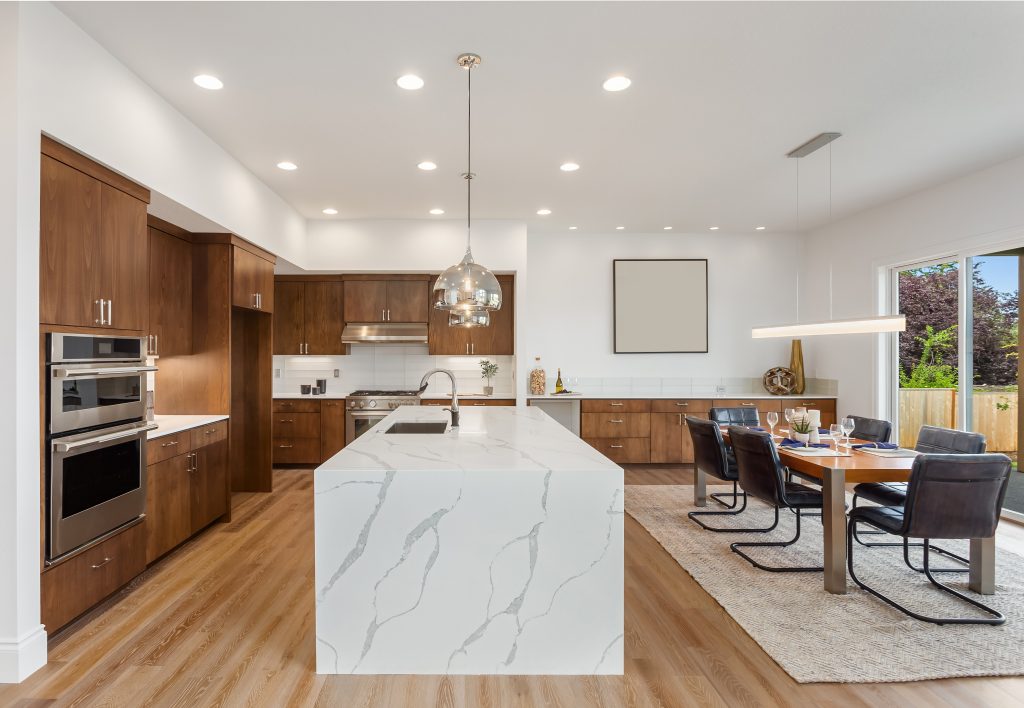
The waterfall edge is more than just a design trend—it’s a statement of craftsmanship, luxury, and modern living. By wrapping the beauty of natural stone around your kitchen island, you create a focal point that captures attention and enhances the entire room. Its clean lines, smooth surfaces, and sculptural quality make it one of the most sought-after features in today’s kitchens.
For homeowners looking to bring this level of elegance to their homes, Granite Empire of Nashville offers a premium selection of countertops that can be tailored to suit your vision. Whether you’re designing a sleek contemporary space or a warm, welcoming kitchen, a waterfall edge can turn an everyday island into a true masterpiece.