

For a long time, fireplaces were treated as background features — functional elements that quietly served their purpose without demanding much attention. In many modern homes, they were reduced to minimal designs or even removed entirely in favor of open layouts. But in recent years, something has shifted. Fireplaces are returning, and not just as sources of warmth, but as defining architectural statements.
Granite Empire of Nashville has seen a growing number of homeowners reimagine their living spaces around a central feature, and natural stone fireplaces are leading that transformation. Unlike painted drywall or prefabricated surrounds, stone introduces depth, texture, and permanence. It turns a simple wall into something that feels intentional.
For homeowners researching granite companies in Greenbrier, TN, this shift highlights a broader trend: people are no longer satisfied with surfaces that simply exist. They want materials that shape the atmosphere of a room. A stone fireplace does exactly that. It anchors the space, drawing attention without overwhelming it.
The appeal lies in contrast. Fire, with its movement and warmth, is paired with stone, which feels solid and grounded. This combination creates a balance that is both visually and emotionally engaging.
A stone fireplace does not just fill space. It defines it.
What Makes Natural Stone the Best Choice for Fireplace Design?
Not all materials can handle the unique demands of a fireplace. Heat, exposure, and long-term durability all play a role in determining what works and what does not. Natural stone stands out because it meets these requirements while offering aesthetic advantages that go beyond functionality.
Granite Empire of Nashville often explains that granite, marble, and quartzite each bring different qualities to fireplace design. Granite is particularly valued for its strength and resistance to heat, making it a practical choice for high-use fireplaces. Marble offers a softer, more refined appearance, while quartzite combines durability with striking natural patterns.
For those exploring granite companies, the choice of stone becomes an opportunity to shape the character of the room. A darker granite can create a bold, grounded presence, while a lighter marble can introduce brightness and elegance.
Natural stone also interacts with light in a way that manufactured materials cannot replicate. The surface reflects and absorbs light differently depending on its texture and finish, creating subtle changes throughout the day.
This dynamic quality ensures that the fireplace remains visually interesting, even when it is not in use. It becomes a feature that continues to contribute to the room, regardless of the season.
Stone is not chosen for fireplaces because it is traditional. It is chosen because it performs — both functionally and visually.
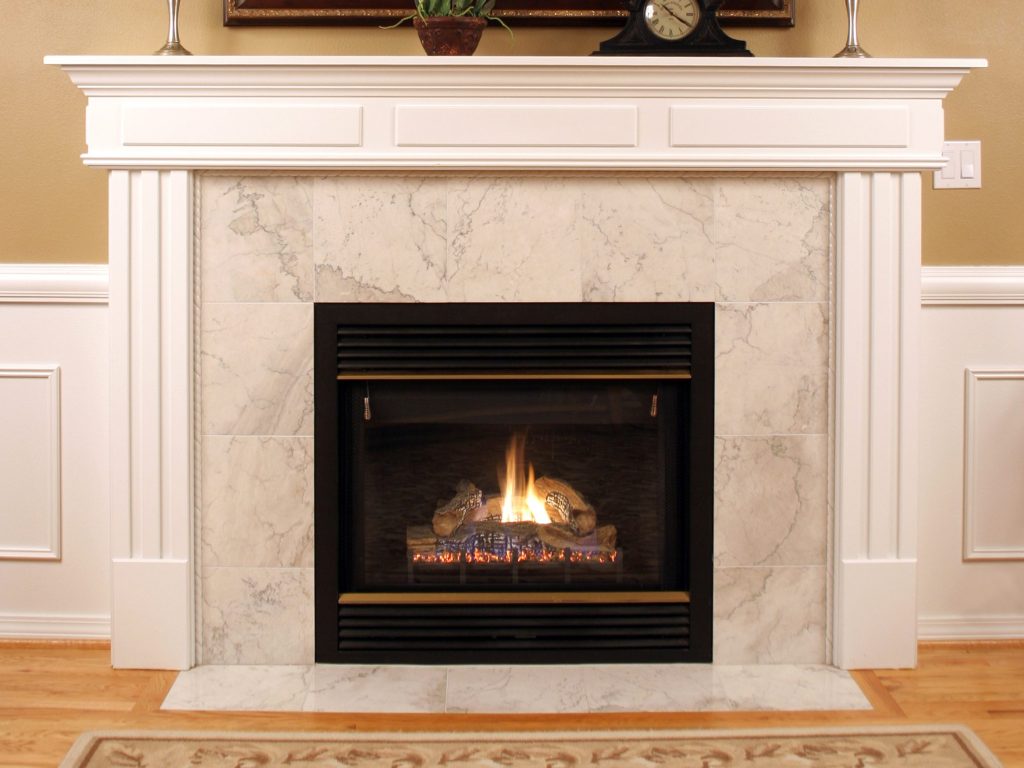
How Do Stone Fireplaces Influence the Overall Design of a Room?
A fireplace is rarely an isolated element. Its design influences everything around it, from furniture placement to color choices and lighting. When natural stone is used, this influence becomes even more pronounced.
Granite Empire of Nashville often works with homeowners who are designing entire living spaces around their fireplace. The stone becomes the starting point, guiding decisions about flooring, wall finishes, and décor.
For homeowners researching granite companies in Greenbrier, TN, this approach offers a cohesive design strategy. Instead of trying to integrate the fireplace into an existing space, the space is built around it.
The scale of the stone also plays a role. Large slabs create a sense of continuity, making the fireplace feel like part of the architecture rather than an added feature. Vertical installations, where the stone extends from floor to ceiling, emphasize height and create a dramatic focal point.
Texture adds another layer of complexity. A polished surface reflects light and creates a more refined look, while a honed or textured finish introduces subtle variation that feels more organic.
The fireplace becomes more than a visual element. It becomes a reference point that ties the entire room together.
Are Stone Fireplaces Only for Traditional Homes?
There is a common assumption that stone fireplaces belong in traditional or rustic settings. While they certainly work well in those environments, modern design has expanded the possibilities significantly.
Granite Empire of Nashville has seen stone fireplaces integrated into a wide range of styles, from minimalist interiors to contemporary open-plan homes. The key lies in how the stone is used.
For those exploring granite companies, this means looking beyond conventional designs. Clean lines, large-format slabs, and subtle color palettes allow stone to fit seamlessly into modern spaces.
In minimalist homes, a fireplace can serve as the only textured element in an otherwise simple environment. The natural variation within the stone adds interest without disrupting the overall aesthetic.
In more transitional designs, stone can bridge the gap between traditional and modern elements, creating a balanced look that feels both current and timeless.
The versatility of natural stone is what allows it to adapt to different styles. It does not impose a specific design language. Instead, it supports the vision of the space.
A stone fireplace is not defined by the style of the home. It enhances it.
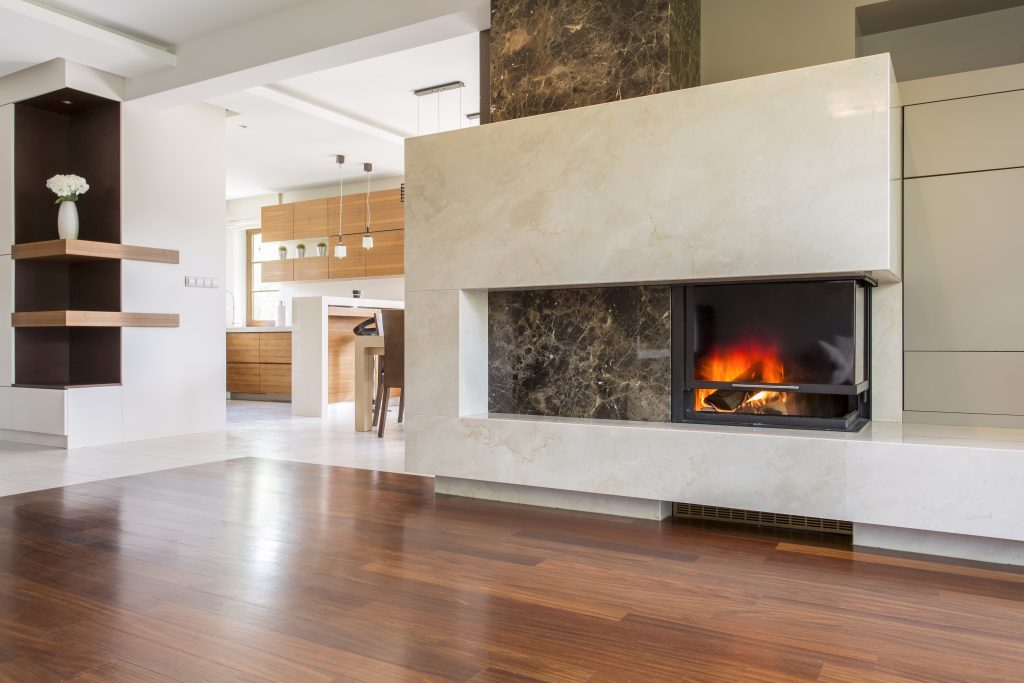
What Should Homeowners Consider Before Choosing a Stone Fireplace?
Designing a stone fireplace involves more than selecting a material. It requires an understanding of scale, proportion, and how the feature will function within the space.
Granite Empire of Nashville often advises homeowners to consider the size of the room first. A large fireplace can create a dramatic effect, but it must be balanced with the dimensions of the space to avoid overwhelming it.
For homeowners researching granite companies in Greenbrier, TN, this means thinking about how the fireplace will interact with other elements. Furniture placement, ceiling height, and lighting all influence how the feature is perceived.
The choice of stone should also align with the overall tone of the room. Warmer tones can create a more inviting atmosphere, while cooler tones introduce a sense of calm and sophistication.
Installation details are equally important. Proper support, heat resistance, and precise alignment ensure that the fireplace performs as intended. These technical aspects are often overlooked but play a critical role in the final result.
A well-designed fireplace is not just about appearance. It is about how all the elements come together to create a cohesive and functional feature.
Why Stone Fireplaces Continue to Define Timeless Interior Design
Trends in interior design come and go, but certain elements remain consistent because they offer something beyond aesthetics. Stone fireplaces are one of those elements.
Granite Empire of Nashville has seen how these features transform spaces, not just visually but emotionally. A fireplace introduces a sense of warmth, gathering, and focus that few other design elements can achieve.
For homeowners exploring granite companies in Greenbrier, TN, this timeless quality is a key consideration. A stone fireplace does not rely on trends to remain relevant. Its appeal is rooted in the material itself — its strength, its texture, and its connection to natural elements.
Over time, the fireplace becomes part of the home’s identity. It is where people gather, where moments are shared, and where the space feels most complete.
Natural stone enhances this experience by adding depth and permanence. It ensures that the fireplace is not just a temporary feature, but a lasting part of the home.
In the end, a stone fireplace is not just about design. It is about creating a space that feels grounded, intentional, and enduring.