
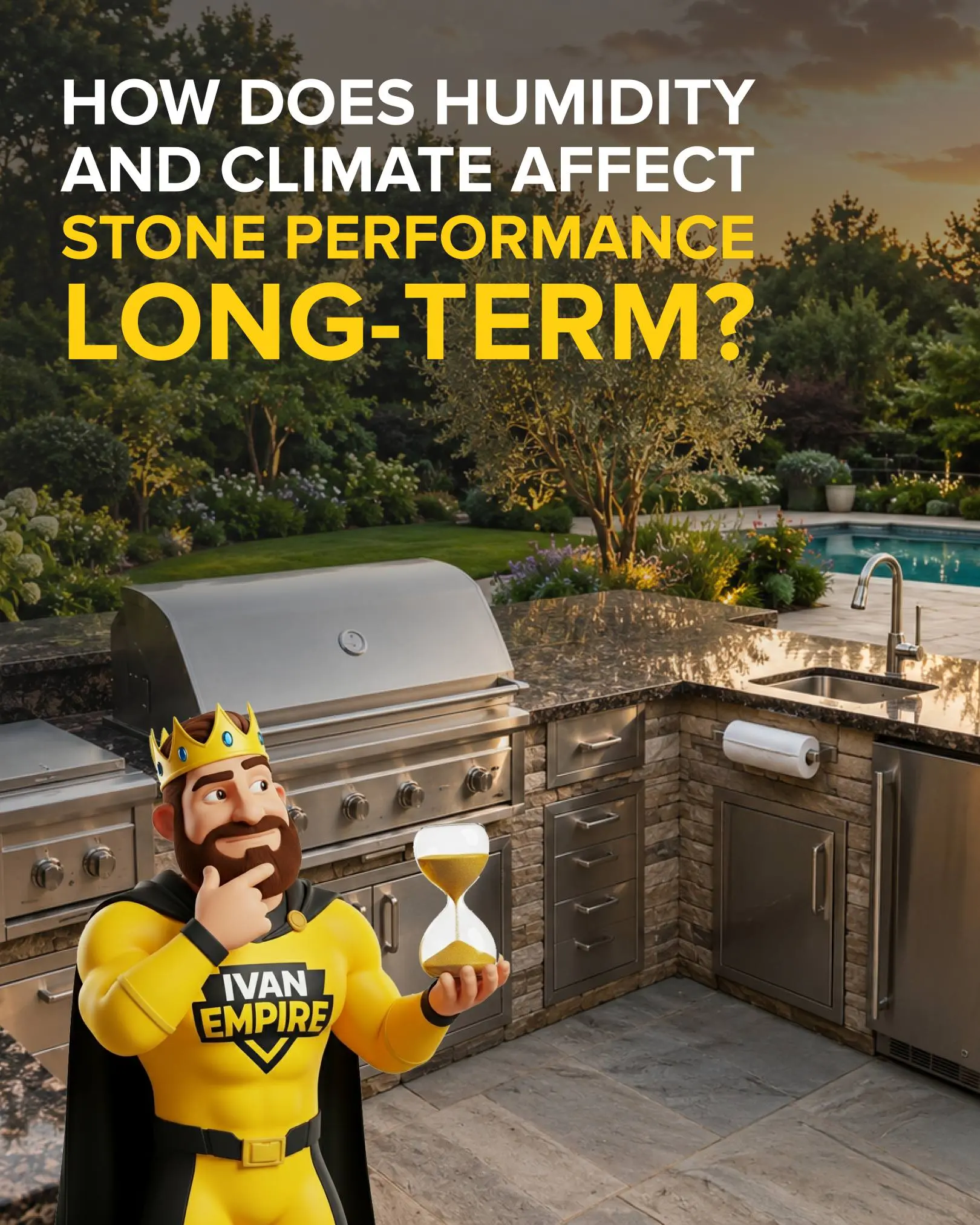
Humidity and climate can affect stone countertops over the long term, but the impact depends heavily on the material, whether the surface is indoors or outdoors, its porosity, sealing, and exposure to repeated temperature changes. Granite, marble, and quartzite are natural stones and can require different levels of protection, while quartz is non-porous and generally less affected by moisture.
For a normal indoor kitchen or bathroom, humidity alone is rarely enough to damage a properly installed countertop. Problems are more likely to develop when moisture repeatedly reaches porous stone, a sealer has worn away, water remains around seams or cutouts, or the material is exposed to significant temperature changes.
At Granite Empire of Nashville, we help homeowners choosing countertops in Pleasant View, TN understand how different materials behave under real household conditions rather than treating every stone the same.
Does humidity damage natural stone countertops?
Normal indoor humidity does not usually damage a properly installed natural stone countertop. The bigger concern is repeated exposure to liquid water and moisture entering a porous surface.
Natural stones such as granite, marble, and quartzite have varying levels of porosity. Some slabs absorb very little moisture, while others are more absorbent.
This is why homeowners should consider:
- the specific stone;
- its porosity;
- whether it has been sealed;
- the condition of the sealer;
- exposure to standing water.
Bathrooms deserve particular attention because water is frequently present around sinks, faucets, and vanity edges.
For homeowners researching countertops in Pleasant View, TN, this distinction is important: a humid room is not the same thing as a countertop constantly exposed to standing water.
How does Tennessee’s climate affect stone countertops?
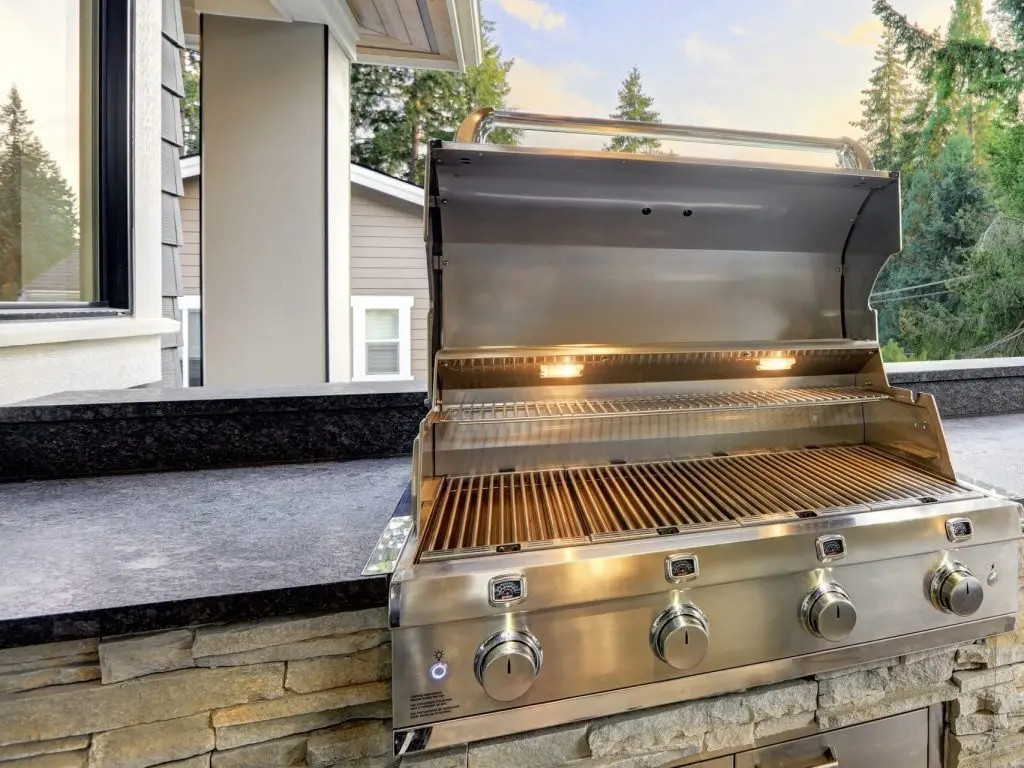
Tennessee has seasonal temperature changes, humidity, rain, and occasional freezing temperatures. Indoor countertops are protected from most of these conditions, but outdoor stone surfaces experience much more environmental stress.
For an indoor kitchen, the main concerns are moisture around sinks, spills, cleaning, and normal temperature changes.
For outdoor kitchens, patios, or other exposed applications, the stone also has to deal with:
- rain;
- direct sunlight;
- temperature swings;
- freezing and thawing;
- prolonged moisture;
- seasonal weather changes.
Natural stone can be appropriate for outdoor applications, but the specific stone and installation method should be selected for those conditions.
A countertop installed outdoors should not automatically be treated the same way as one inside a climate-controlled kitchen.
Does granite handle humidity well?
Yes. Granite generally performs very well in humid environments because it is a hard, durable natural stone.
However, granite is not completely non-porous.
Some granite varieties can absorb moisture and benefit from sealing. The exact maintenance requirements depend on the slab.
At Granite Empire of Nashville, granite starts at approximately $48 per square foot.
Popular options include Black Pearl, Steel Gray, White Ice, River White, Dallas White, and Santa Cecilia. These stones can have different patterns and characteristics, so the specific slab matters.
In a bathroom, regular water exposure around the sink makes appropriate sealing and prompt cleanup more important.
In an outdoor application, the installation needs to account for environmental exposure rather than relying on sealing alone.
Is quartz affected by humidity?
Quartz is generally less affected by moisture because it is a non-porous engineered material.
That makes quartz particularly convenient for kitchens and bathrooms where water exposure is part of everyday use.
Major quartz manufacturers include:
- Cambria;
- Silestone;
- Caesarstone;
- MSI Quartz.
Quartz starts at approximately $58 per square foot at Granite Empire of Nashville.
Moisture is not usually the primary concern with quartz. Instead, homeowners should pay attention to other limitations, including prolonged direct heat and inappropriate chemical cleaners.
For a bathroom or indoor kitchen, quartz can therefore be a practical choice when low-maintenance moisture resistance is a priority.
Does marble absorb moisture?
Marble is a natural stone, so its porosity varies by material.
Some marble can absorb liquids more readily than denser stones. Proper sealing can help reduce absorption and staining, but it does not make marble completely impervious.
Marble also has another important consideration: etching.
Acidic substances can react with the surface and leave dull areas. In a bathroom, certain personal-care products and cleaners may create problems if they are not compatible with natural stone.
At Granite Empire of Nashville, marble starts at approximately $68 per square foot.
Popular marble varieties include Carrara, Calacatta, and Statuario.
If you love the appearance of natural marble, humidity alone should not automatically rule it out. The more important question is whether you are comfortable with the maintenance required by the particular stone.
How does quartzite perform in humid conditions?
Quartzite is a natural stone, so it should not be confused with engineered quartz when discussing moisture.
Some quartzite is relatively dense, while other varieties can be more absorbent.
That means sealing requirements should be determined based on the specific slab rather than the word “quartzite” alone.
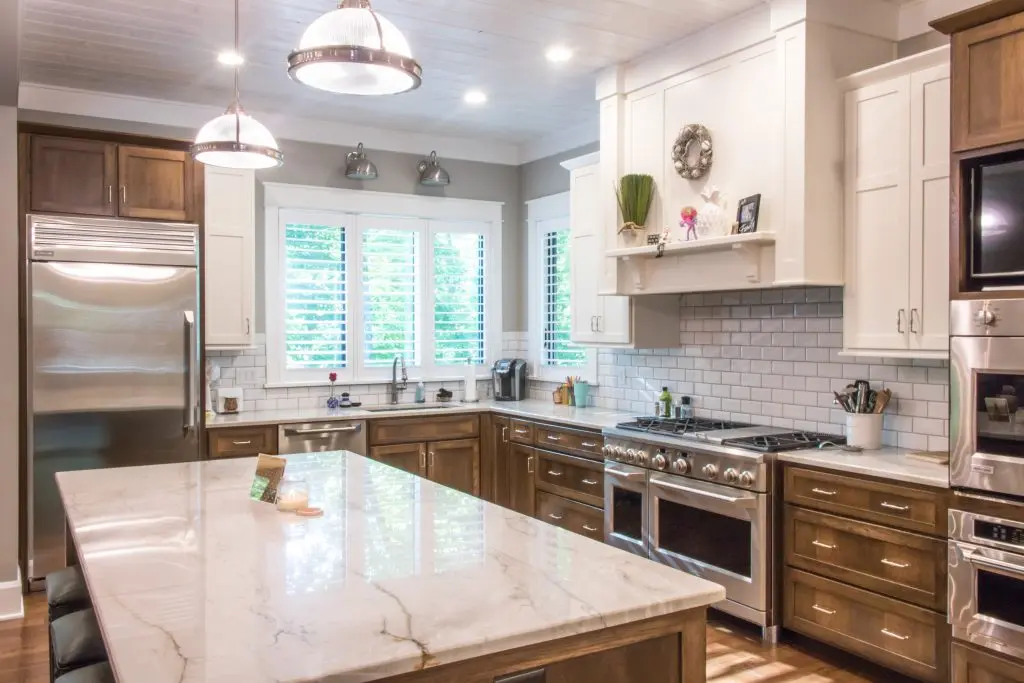
Quartzite can be an excellent option for homeowners who want:
- natural stone variation;
- dramatic veining;
- strong durability;
- a marble-like appearance.
Quartzite pricing at Granite Empire of Nashville is available upon request because individual slabs can vary substantially in appearance and price.
For homeowners considering countertops in Pleasant View, TN, viewing and evaluating the actual slab is particularly important when choosing natural stone.
Can temperature changes cause stone to crack?
Temperature changes can contribute to stress, but indoor residential countertops are generally not exposed to the extreme temperature cycles that create major problems.
Outdoor applications are different.
A stone surface exposed to intense summer heat, rain, freezing temperatures, and repeated freeze-thaw cycles experiences much more environmental stress.
Installation also matters. Proper support, seams, cutouts, and expansion considerations are important when a stone surface is exposed to changing outdoor conditions.
Even indoors, we recommend avoiding unnecessary thermal shock. For example, trivets are a good practice for very hot cookware, particularly with quartz.
Does sealing protect stone from climate and moisture?
Sealing provides an additional layer of protection for porous natural stone, but it does not make stone completely waterproof.
A sealer can reduce the amount of liquid that penetrates the surface and give homeowners more time to clean spills.
It does not:
- eliminate porosity;
- prevent etching;
- repair damaged stone;
- eliminate the need for cleaning;
- make every stone suitable for outdoor use.
The appropriate sealing schedule depends on the material and how it is used.
Granite in a lightly used bathroom may have different requirements from a heavily used kitchen or an outdoor countertop exposed to rain.
What happens if a stone countertop stays wet?
Occasional water exposure is normal. Problems become more likely when moisture remains on or around porous stone for extended periods.
Areas that deserve particular attention include:
- around faucets;
- sink edges;
- backsplash joints;
- seams;
- countertop-wall connections;
- areas where water regularly pools.
Regularly drying these areas is a simple way to reduce long-term moisture exposure.
This is particularly useful in bathrooms, where water can remain around the vanity after daily use.
For countertops in Pleasant View, TN, proper installation and drainage around the countertop can be just as important as the material itself.
Which countertop is best for a humid bathroom?
If low maintenance is the main priority, quartz is often the simplest option because it is non-porous and does not require routine sealing.
Granite is a strong alternative for homeowners who prefer natural stone and are comfortable with appropriate sealing and maintenance.
Marble is best suited to homeowners who value its natural appearance and understand that it can require more care.
Quartzite can offer dramatic natural patterns and strong durability, but its maintenance requirements should be evaluated according to the individual slab.
A practical comparison looks like this:
| Material | Starting price | Moisture considerations |
|---|---|---|
| Granite | From $48/sq. ft. | Porosity varies; sealing may be needed |
| Quartz | From $58/sq. ft. | Non-porous; no routine sealing |
| Marble | From $68/sq. ft. | Can absorb moisture; sealing may help |
| Quartzite | By request | Porosity varies by slab |
How much do stone countertops cost?
At Granite Empire of Nashville, starting prices are approximately:
- Granite – $48/sq. ft.
- Quartz – $58/sq. ft.
- Marble – $68/sq. ft.
- Quartzite – price available upon request
For a 40-square-foot countertop, starting material costs would be approximately:
| Material | 40 sq. ft. starting material cost |
|---|---|
| Granite | $1,920 |
| Quartz | $2,320 |
| Marble | $2,720 |
| Quartzite | By request |
These are material-only examples. The final project price can also include templating, fabrication, edge profiles, sink cutouts, cooktop cutouts, backsplash, seams, delivery, and installation.
How long does stone countertop installation take?
Most Granite Empire of Nashville projects take approximately 2-3 weeks overall.
After final templating, fabrication generally takes 7-10 business days. During fabrication, we prepare the slab, complete sink and appliance cutouts, finish the selected edge, and plan seams where necessary.
Installation typically takes 1-2 days for a standard project.
For homeowners considering countertops in Pleasant View, TN, discussing the intended location and exposure before fabrication helps ensure the selected material and installation approach are appropriate.
What is the best way to protect stone from climate-related wear?
For indoor countertops, the most effective approach is straightforward:
- Clean spills promptly.
- Keep sink and faucet areas reasonably dry.
- Use the correct cleaner for the material.
- Reseal porous natural stone when necessary.
- Avoid abrasive or acidic cleaners when they are inappropriate.
- Use trivets for very hot cookware.
- Choose materials specifically suited to outdoor applications when installing outside.
The climate itself is rarely the only factor. Material selection, installation quality, maintenance, and exposure all work together to determine long-term performance.