
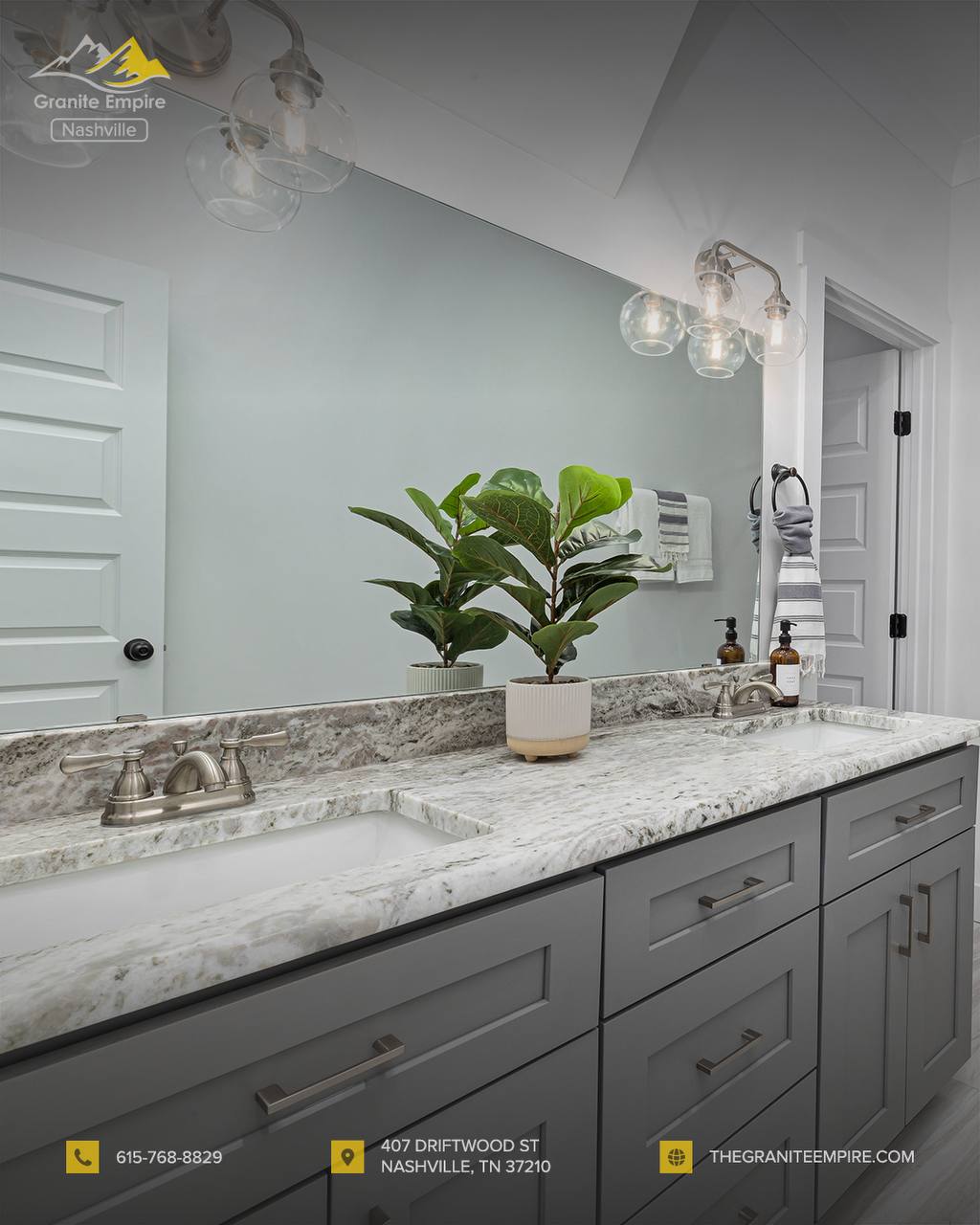
Walk into two kitchens with natural stone countertops and you might notice something curious. Both spaces may feature granite, marble, or quartzite. Both surfaces might even share similar colors. Yet one kitchen feels unmistakably refined while the other simply looks functional. The difference rarely lies in the stone alone. It lies in how that stone interacts with design, light, proportion, and craftsmanship.
Natural stone has long been associated with luxury because it carries visual depth that manufactured materials struggle to replicate. Every slab contains mineral variations formed over millions of years. Tiny crystalline structures reflect light in unpredictable ways, creating subtle movement across the surface. This natural complexity prevents the stone from appearing flat or artificial.
Granite Empire of Nashville often explains that high-end perception begins with authenticity. When people enter a kitchen and instinctively sense that the materials are genuine, the room immediately feels more valuable. Stone surfaces communicate permanence. They suggest that the kitchen was built thoughtfully rather than assembled quickly.
For homeowners exploring countertops in Ashland City, TN, understanding this emotional response can help guide design decisions. A slab does not need dramatic colors to feel luxurious. In fact, many high-end kitchens rely on restrained stone patterns that allow the material’s natural character to emerge quietly.
Luxury in stone is rarely loud. It is usually subtle, confident, and deeply connected to the material itself.

How Does Stone Movement Influence the Feeling of Luxury?
One of the most overlooked aspects of stone design is movement — the natural pattern flow created by veins, mineral deposits, and crystalline formations. Movement guides the eye across a surface and shapes how we experience space.
In high-end kitchens, stone movement often feels deliberate rather than chaotic. Long veins may travel gracefully across an island, creating a visual path that extends through the room. Subtle mineral flecks may shimmer gently under lighting without overwhelming the design.
Granite Empire of Nashville frequently works with homeowners who initially focus on color alone. Yet once they see full slabs in a showroom, they begin to understand how movement changes everything. A slab with balanced flow can transform a simple kitchen island into the centerpiece of the entire room.
If you’re in search of countertops in Ashland City, TN, examining the direction and scale of stone movement becomes essential. Large sweeping veins may create drama in expansive kitchens, while softer patterns can make smaller spaces feel calm and cohesive.
Luxury design often relies on visual rhythm. The right stone movement creates that rhythm naturally. It draws attention without demanding it.
Does Craftsmanship Affect How “High-End” a Countertop Feels?
The quality of the stone itself is only part of the story. The way it is cut, finished, and installed often determines whether a countertop truly feels premium.
Edges, seams, and surface polishing reveal the skill of the fabricator. A precisely polished edge catches light evenly from every angle. Seam placement can allow two slabs to appear almost continuous, preserving the visual flow of the stone. Even the thickness of the slab can influence perception.
Granite Empire of Nashville approaches installation with the understanding that craftsmanship transforms raw material into architectural detail. Cabinets must be perfectly level before the slab is placed. The stone must be supported correctly to prevent long-term stress. Every adjustment contributes to the final impression of quality.
Homeowners considering countertops often notice that the most luxurious kitchens rarely display obvious seams or uneven edges. Instead, the stone appears almost effortless in its placement. The island looks sculpted rather than assembled.
This quiet precision is what distinguishes high-end stonework from ordinary installation. Luxury rarely announces itself loudly. It reveals itself through flawless details.

Why Does Thickness and Scale Matter in Luxury Stone Design?
Proportion plays a powerful role in interior design. A countertop that feels visually balanced within the kitchen contributes to the sense of refinement. One factor influencing that balance is slab thickness.
Thicker slabs often create a stronger architectural presence. When a stone island appears substantial and grounded, it anchors the entire kitchen visually. In contrast, thin surfaces may appear lighter and more contemporary but may not always convey the same sense of permanence.
Granite Empire of Nashville helps homeowners evaluate how slab thickness interacts with cabinetry and layout. A large island may benefit from a thicker profile that emphasizes scale, while perimeter counters may maintain a more subtle appearance.
For those researching countertops in Ashland City, TN, this consideration becomes especially important in open-concept homes. The kitchen is no longer isolated. It becomes part of the living space, visible from multiple angles. The countertop must therefore function as both a work surface and a design statement.
Luxury often lies in proportion. When the stone’s scale aligns perfectly with the room, the space feels harmonious and complete.
How Do Lighting and Surrounding Materials Influence Stone Luxury?
Stone rarely exists in isolation. Cabinets, flooring, backsplash materials, and lighting all interact with the countertop. The most luxurious kitchens are not defined by a single element but by the harmony between them.
Lighting, in particular, plays a transformative role. Under warm lighting, granite may reveal subtle golden mineral flecks. Under cooler lighting, quartzite may display delicate crystalline reflections. These interactions give natural stone a dynamic quality that changes throughout the day.
Granite Empire of Nashville often encourages homeowners to consider how their stone will appear under the lighting conditions of their home. A slab that looks dramatic in a showroom may feel softer under natural daylight. Conversely, a subtle pattern may become striking when illuminated by pendant lights above the island.
When homeowners evaluate countertops, they should also consider how cabinetry color interacts with the stone. Neutral cabinets can allow bold stone movement to shine, while darker cabinetry may emphasize lighter mineral patterns.
Luxury kitchens rarely rely on a single focal point. Instead, materials complement one another, creating an atmosphere that feels balanced and intentional.
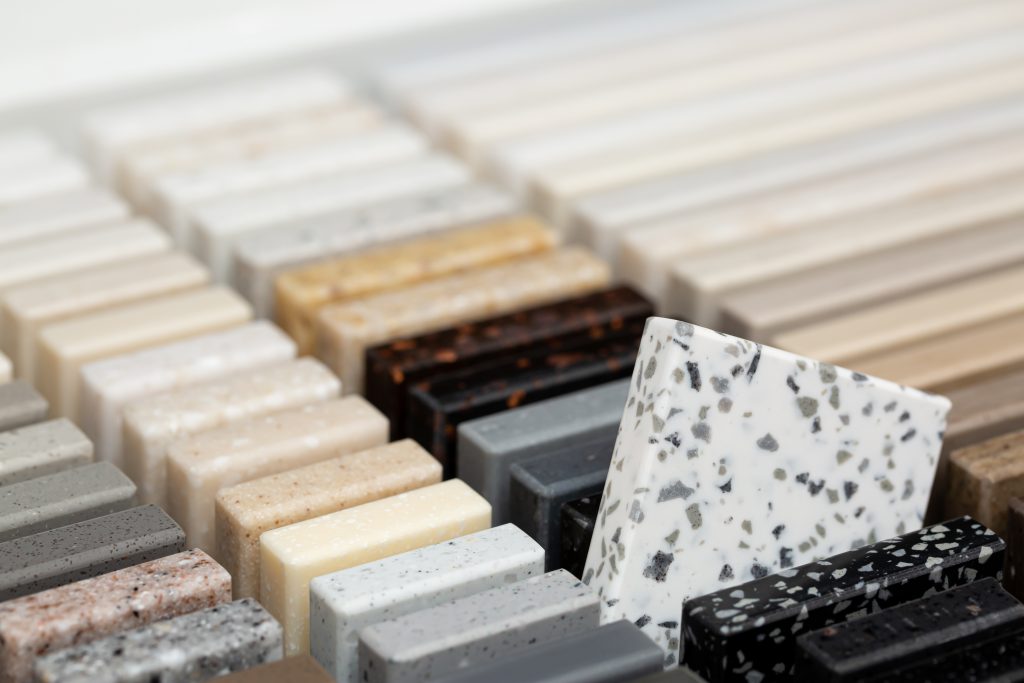
Why Does Natural Stone Continue to Define High-End Kitchens?
For decades, natural stone has remained a cornerstone of luxury kitchen design. Despite the rise of engineered materials and new surface technologies, stone continues to hold a unique position in the market.
Part of the reason lies in its authenticity. Natural stone cannot be perfectly replicated. Each slab carries geological history that no manufacturing process can reproduce exactly. This individuality creates a sense of exclusivity that resonates with homeowners seeking something distinctive.
Granite Empire of Nashville understands that clients often want more than durability. They want materials that feel meaningful and lasting. Stone surfaces offer both qualities simultaneously. They withstand daily use while preserving visual richness.
If you’re exploring countertops in Ashland City, TN, natural stone remains one of the most reliable ways to elevate a kitchen’s design. Its depth, strength, and timeless character allow it to adapt to evolving trends without losing relevance.
High-end design rarely depends on trends alone. It depends on materials that age gracefully. Stone has done exactly that for centuries.
Luxury, in the end, is not about extravagance. It is about confidence in materials that endure. When natural stone is chosen carefully and installed with precision, it brings a quiet elegance that transforms an ordinary kitchen into something far more memorable.