

Marble has long held a special place in home design, symbolizing luxury, refinement, and timeless beauty. But the moment homeowners begin exploring materials for a remodel—particularly a kitchen or bathroom—one question always arises: is marble truly worth its cost? Understanding the complexity of this question requires looking beyond the initial price tag and examining the functional, aesthetic, and long-term value marble brings to a residence.
Many homeowners start their research by consulting professionals or reading about popular options such as marble countertops in Shelbyville, TN, especially because the region has seen rising interest in high-end materials for both new builds and renovations. Granite Empire of Nashville often explains that marble’s value stems not only from its appearance but from what it contributes to a home’s atmosphere and resale strength. It’s not merely a countertop; it becomes a design anchor that influences the entire look of a room.
Marble is not a “trendy” material. It has been used for centuries in architecture and interior design, particularly in spaces where elegance and craftsmanship matter. Choosing marble means choosing a premium natural stone that adds instant sophistication. But to determine whether it’s truly worth it, homeowners must understand how marble behaves in everyday life, what impacts its long-term durability, and how its cost aligns with personal expectations.
Why Does Marble Cost More Than Many Other Stone Options?
When homeowners begin comparing stone prices, they quickly notice that marble often costs more than granite or some engineered stone options. This leads to one of the most important questions: why is marble considered a luxury material? The cost of marble countertops reflects several factors, beginning with the stone’s origin. Marble is quarried from specific regions around the world, and the most desirable varieties—such as Calacatta and Carrara—come from highly limited deposits. Extracting and transporting marble is labor-intensive, time-consuming, and requires precision to avoid damaging the stone.
Workmanship is another major cost factor. Marble is softer than granite, making fabrication more delicate. Edges, cutouts, seams, and finishes demand experienced craftsmanship. A specialist cannot rush marble installation, and even the polishing process must be handled with expertise. Homeowners looking for marble countertops in Shelbyville, TN often learn that a premium portion of the price goes toward ensuring the stone is shaped and installed without damage.
The visual grading of marble also influences price. Not all marble slabs are equal; some feature subtle veins while others contain bold, dramatic patterning. Rarity increases cost, and homeowners who choose eye-catching slabs understand they are investing in something unique. Granite Empire of Nashville notes that many clients are drawn to marble precisely because no two slabs are identical. This individuality makes it more than a surface—it becomes a piece of natural art integrated into the home.
The final factor is longevity. When properly cared for, marble can last decades. Its upfront cost reflects its ability to elevate a home’s appeal for years to come, potentially increasing property value and making the investment worthwhile.
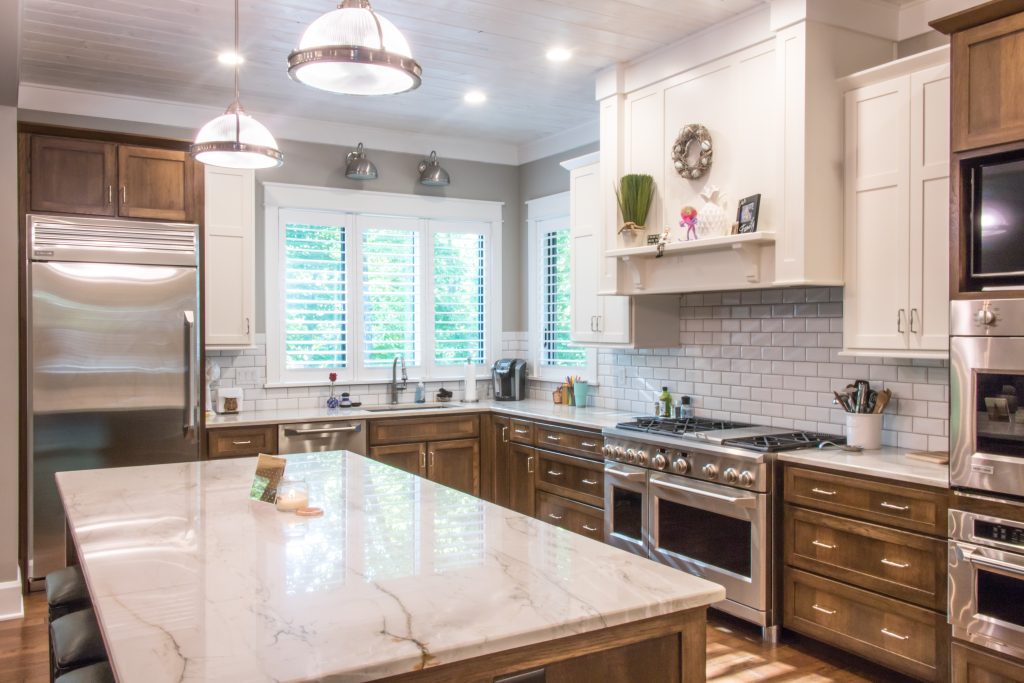
How Does Marble Perform in Everyday Use? Is It Practical for Busy Homes?
Many homeowners love the look of marble but hesitate because they’ve heard about its vulnerability to stains, etching, and scratches. This is a valid concern—and a crucial topic for anyone considering this material. To decide whether marble is worth the cost, homeowners must understand how it behaves in daily life.
Marble is porous, which means it can absorb liquids if not sealed properly. Acidic substances such as lemon juice, vinegar, wine, or certain cleaning products can etch the surface, leaving dull spots or slight texture changes. This is one reason homeowners researching marble countertops often ask restoration and installation experts whether marble requires extra maintenance. The answer is yes—but “extra maintenance” does not necessarily mean “difficult maintenance.”
Sealing the stone at the recommended intervals dramatically reduces risk. Modern high-quality sealers make marble more resistant to staining than many people expect. Quick cleanup habits—something most homeowners already practice—are usually enough to keep marble looking good. Marble also excels in temperature resistance, meaning hot pans or appliances won’t damage the stone. For cooking enthusiasts, this offers convenience and peace of mind.
Wear over time is inevitable, but for many homeowners, this is part of marble’s charm. It develops a soft patina that reflects years of use, similar to well-loved leather or wood. Instead of looking “worn,” marble takes on a character that can’t be replicated by engineered stone. Homeowners who appreciate materials that age naturally often find marble deeply rewarding.
Marble may not be the ideal choice for those who want a completely carefree countertop, but for those who value beauty, craftsmanship, and a surface that tells a story, it becomes an unmatched investment.
How Much Maintenance Does Marble Really Require—and Is It Time-Consuming?
Maintenance is often the deciding factor for homeowners weighing the cost of marble, and misconceptions abound. Some believe marble needs constant attention, while others assume it stains instantly or scratches at the slightest pressure. In reality, marble maintenance falls somewhere in the middle: it requires awareness and small habits, but not an overwhelming amount of effort.
For homeowners considering marble countertops in Shelbyville, TN, it’s important to know that proper sealing makes the biggest difference. A high-quality sealer acts like an invisible shield, giving homeowners time to wipe spills before they can penetrate the surface. Depending on usage and the sealer used, resealing may be needed once a year or every few years. This process is fast and inexpensive, and professionals can handle it in minutes.
Cleaning marble doesn’t require special products—just pH-neutral cleaners, soft cloths, and warm water. Avoiding acidic or abrasive substances is the main rule, and this is easy to remember once established as a household habit. Using trivets or coasters, placing cutting boards under knives, and wiping up spills promptly help preserve the stone’s polish.
Many homeowners realize that marble maintenance is not harder than caring for hardwood floors or stainless steel appliances. It simply requires consistency. Those who choose marble typically do so because it offers incomparable beauty in return for manageable upkeep.
When framed this way, the maintenance does not detract from the stone’s value—it enhances the homeowner’s appreciation for it.

Does Marble Add Enough Value to Justify the Investment?
A major reason homeowners upgrade to marble is the expectation that it will increase home value. This is not a misconception—marble does have a measurable impact on perceived luxury and overall desirability. Kitchens and bathrooms with marble countertops are often considered premium upgrades, which directly influences buyer interest and offer amounts.
Professionals familiar with marble countertops in Shelbyville, TN frequently note that homes featuring marble tend to stand out in competitive markets. Buyers recognize marble as a high-end material, and its presence signals a level of quality and design investment. Even if homeowners do not plan to sell immediately, marble helps anchor the home aesthetically, contributing to a feeling of refinement that can’t easily be replicated.
The long lifespan of marble further supports its value. When maintained properly, marble can last decades, meaning its beauty, strength, and resale impact persist long after the initial installation. This makes marble not only a design choice but a long-term financial decision.
For many, the value lies not only in resale potential but in daily enjoyment. A stunning marble island or vanity can transform a room into a space homeowners genuinely love spending time in. The aesthetic pleasure and emotional satisfaction often outweigh the initial cost.
So… Is Marble Worth the Cost for Your Home?
The answer depends on the homeowner’s lifestyle, expectations, and design priorities. Marble is ideal for those who value beauty, classic style, and a natural material that carries a sense of history. It is also ideal for homeowners willing to adopt simple maintenance habits. For individuals who want a completely worry-free surface, marble might not be the perfect match.
But for those seeking a stone with unmatched elegance, character, and long-term value, marble remains one of the most rewarding investments available. Granite Empire of Nashville often explains to clients that marble transforms a room not just visually but emotionally—it elevates the atmosphere, making ordinary spaces feel extraordinary.
Homeowners who choose marble usually find that the cost is not just justified but surpassed by the daily enjoyment and long-lasting impact the stone provides.