

Marble has always carried a reputation for luxury, but when homeowners start researching actual pricing, the numbers can feel confusing or even intimidating. One quote seems reasonable, another feels dramatically higher, and suddenly the same material appears to have wildly different price tags. The truth is that marble countertops are not priced as a single, simple product. They are a combination of material quality, fabrication choices, installation complexity, and long-term value.
Homeowners exploring marble often want clarity more than anything else. They want to know what actually affects the final cost and which parts of the investment truly matter. Understanding this breakdown helps people make confident decisions rather than reacting to surface-level pricing.
Granite Empire of Nashville regularly works with homeowners who want transparency before committing to marble, especially those comparing options for kitchens and bathrooms across different budgets and design goals.
What Are You Really Paying for When You Choose Marble?
At first glance, it may seem like you are paying purely for stone. In reality, the slab itself is only one piece of the total cost. Marble pricing reflects natural rarity, extraction, transportation, fabrication skill, and how the stone is adapted to your specific space.
Every marble slab is unique. Color consistency, veining movement, and structural integrity all influence price. Slabs with balanced veining and fewer natural imperfections are harder to source and therefore more expensive. These stones are often selected for visible areas where aesthetics matter most.
Beyond the slab, there is the expertise required to transform raw stone into a finished surface. Cutting, polishing, reinforcing, and edge profiling all require precision. This is where costs reflect craftsmanship rather than just materials. Homeowners who explore marble countertops in Lewisburg, TN often notice that pricing aligns closely with the level of detail involved, not just square footage.
Why Does Marble Pricing Vary So Much Between Projects?
One of the most common frustrations homeowners face is seeing dramatically different quotes for what seems like the same type of countertop. The reason is that no two marble installations are truly identical.
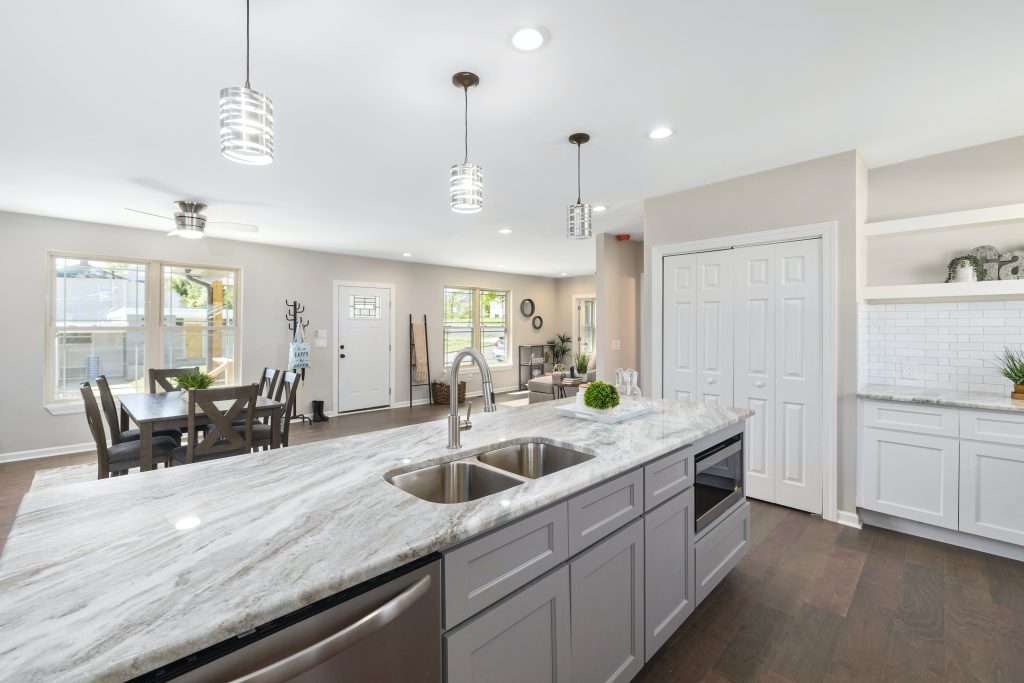
Layout plays a major role. A straight run with minimal cutouts costs less than a design that includes multiple seams, sinks, cooktops, or waterfall edges. Each cut introduces additional labor and risk, which increases cost.
Thickness also matters. Thicker marble slabs feel more substantial and luxurious, but they require more material and stronger support. Some projects include laminated edges to achieve a thicker look, which adds fabrication steps.
Installation conditions can also affect pricing. Older homes may require cabinet reinforcement or leveling before stone can be installed safely. These behind-the-scenes adjustments are often invisible in the final result but essential for long-term performance.
Homeowners researching marble countertops in Lewisburg, TN quickly learn that a lower quote may reflect fewer fabrication details rather than better value.
Is Marble More Expensive Because of Maintenance Concerns?
Maintenance is often cited as a hidden cost, but it is frequently misunderstood. Marble does require awareness, but that does not mean constant upkeep or expensive care routines.
The cost associated with maintenance usually comes down to sealing and cleaning habits. Sealing is not a frequent or complicated process, and it protects the stone from moisture and staining. This cost is minor compared to the lifespan of the material.
What often drives perceived “maintenance cost” is anxiety rather than reality. Homeowners worry about etching or staining without understanding how marble actually behaves in daily use. Light etching, for example, does not weaken the stone and often blends into the surface over time.
Granite Empire of Nashville spends a significant amount of time educating homeowners so they understand what marble needs and what it does not. Once expectations are realistic, maintenance rarely feels like a financial burden.
For many homeowners choosing marble countertops in Lewisburg, TN, the long-term satisfaction outweighs any minor upkeep considerations.

How Do Fabrication and Installation Affect the Final Price?
Fabrication is where much of the value is created. This stage determines how the stone looks, feels, and performs once installed. Precision cutting, proper reinforcement, and careful polishing all require skilled labor and specialized equipment.
Edge profiles are a good example. A simple eased edge is less expensive than a decorative or custom profile. While the difference may seem small visually, the labor involved can vary significantly.
Seams also affect cost. Matching veining across seams requires careful slab selection and alignment. This level of detail increases fabrication time but results in a more cohesive and high-end appearance.
Installation itself is another critical cost factor. Marble is heavy and requires careful handling. Proper installation ensures even support, correct adhesion, and long-term stability. Cutting corners here can lead to problems that cost far more to fix later.
When homeowners compare quotes for marble countertops in Lewisburg, TN, it is important to look beyond the bottom line and understand what level of fabrication and installation is included.
Does Marble Actually Add Long-Term Value to Your Home?
One of the most overlooked aspects of marble pricing is long-term value. While marble may have a higher upfront cost than some alternatives, it often contributes positively to resale perception and overall home appeal.
Marble signals quality. Buyers recognize it as a premium material, especially when it is well-installed and thoughtfully designed. Even years later, marble tends to photograph well and feel intentional rather than dated.
Unlike trend-driven surfaces, marble does not rely on pattern popularity. Its appeal comes from natural beauty and material authenticity. This helps it remain relevant even as design preferences shift.
Homeowners who invest in marble countertops often report that the material continues to elevate their space long after installation, making the original cost feel justified over time.

Is It Possible to Control Marble Costs Without Sacrificing Quality?
Yes, but it requires strategic decision-making rather than simply choosing the cheapest option. Selecting slabs with balanced but not extreme veining can reduce material cost while still delivering elegance. Simplifying edge profiles and minimizing unnecessary seams can also help control fabrication expenses.
Another smart approach is prioritizing where marble is used. Focusing on high-impact areas allows homeowners to enjoy the material’s benefits without overextending the budget.
Working with experienced professionals ensures that cost-saving choices do not compromise structural integrity or aesthetics. This balance is where real value is found.
Granite Empire of Nashville helps homeowners identify where investment matters most and where thoughtful adjustments can be made without diminishing the final result.
Why Understanding the Cost Breakdown Leads to Better Decisions
Marble is not expensive by accident. Its cost reflects natural rarity, craftsmanship, and long-term performance. When homeowners understand what they are paying for, the price becomes less intimidating and more logical.
Rather than viewing marble as a luxury splurge, many homeowners begin to see it as a long-term investment in quality and daily experience. The key is transparency and education.
For anyone exploring marble countertops in Lewisburg, TN, clarity around cost transforms uncertainty into confidence.