
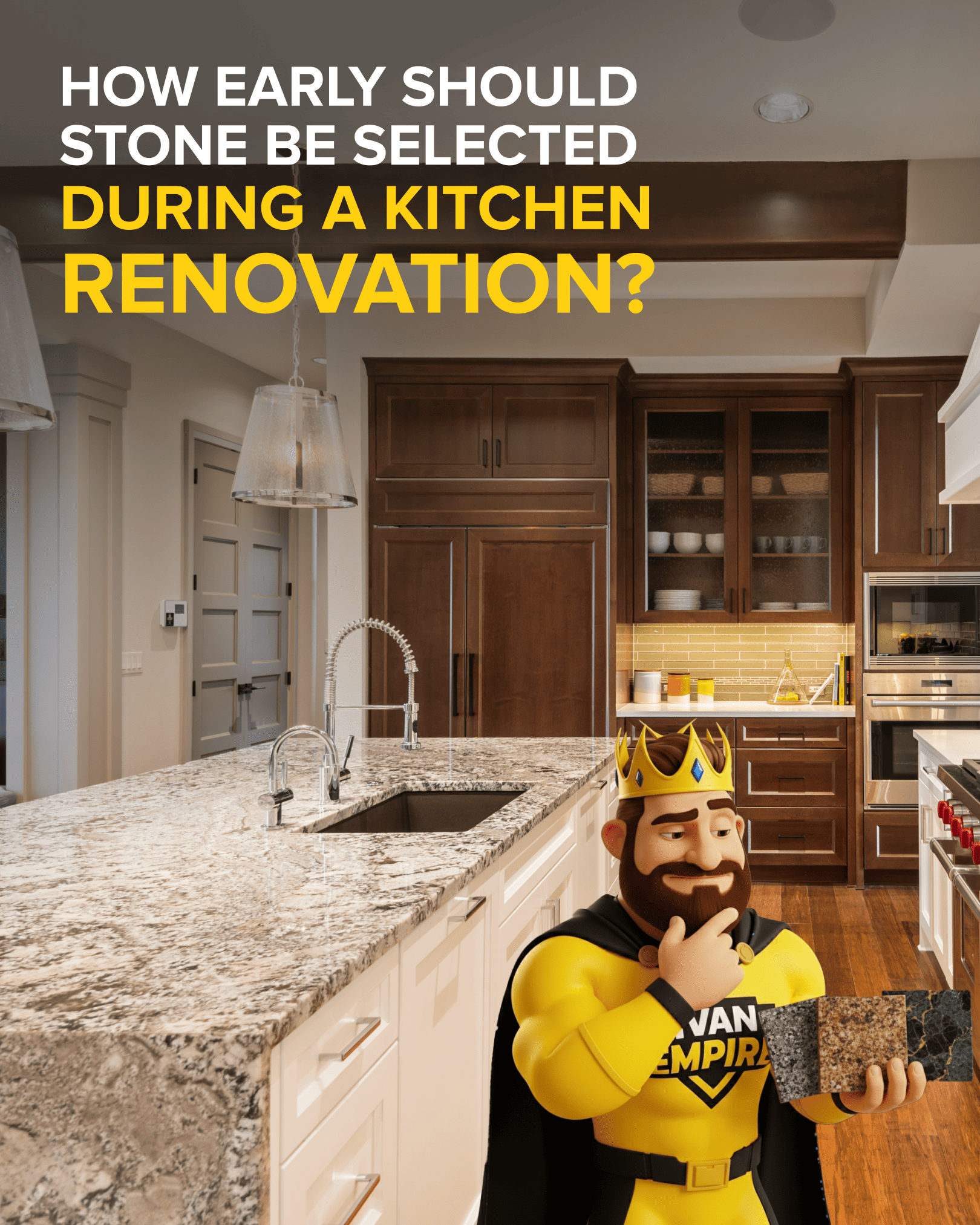
Kitchen renovations rarely fail because of one dramatic mistake. Most problems come from timing. One decision made too late quietly affects half a dozen others. Stone selection is one of those decisions. Homeowners often assume countertops are a finishing detail, something to think about once cabinets, appliances, and layout are already locked in. In reality, stone is a structural and visual anchor that influences far more than people expect. Choosing it too late can lead to compromises that feel unnecessary in hindsight.
Understanding when stone should be selected is not about rushing. It is about sequencing decisions in a way that reduces stress, avoids redesigns, and protects your budget.
Why Does Stone Selection Affect the Entire Kitchen Timeline?
Stone is not just a surface. It interacts with cabinetry dimensions, appliance cutouts, backsplash height, electrical placement, and even flooring transitions. When stone is chosen late, those earlier decisions are already fixed, and the countertop must adapt rather than integrate.
Fabrication requires precise measurements that depend on finalized cabinet installation, but material selection should happen well before that stage. Slab availability, veining direction, thickness, and edge options all affect how cabinets are built and how seams are placed. When homeowners wait until the end, they often discover that the stone they love is no longer available in the size or quantity needed.
This is one of the most common frustrations we see when people visit granite stores in Lewisburg, TN after their kitchen design is already finalized. The stone itself is not the problem. The timing is.
Early selection allows designers and installers to plan around the stone instead of forcing the stone to fit into decisions made without it. That difference is subtle on paper but dramatic in the finished space.

How Early Is “Too Early” When Choosing Stone?
Choosing stone too early can also create problems, but they are different. The mistake is not selecting stone before cabinets exist, but selecting stone before understanding how the kitchen will function.
Stone should be chosen after the layout is confirmed but before cabinet specifications are finalized. At this stage, you know where the island will sit, how large it will be, and how the kitchen will be used daily. You do not yet need final cabinet measurements, but you do need clarity on proportions.
When stone is selected at this point, designers can adjust cabinet widths, overhangs, and support structures to complement the slab rather than restrict it. This is especially important for islands, peninsulas, and waterfall edges, where veining alignment and slab length matter.
Homeowners who visit granite stores in Lewisburg, TN at this stage tend to feel calmer throughout the renovation. They are not scrambling to make a major aesthetic decision under pressure. Instead, the stone becomes a reference point that guides the rest of the design.
What Problems Happen When Stone Is Chosen Too Late?
Late stone selection rarely feels like a crisis at first. It shows up as a series of small disappointments that accumulate.
The exact slab you loved is gone. The veining does not align the way you imagined. Seams appear in places you did not anticipate. Edge profiles are limited because cabinets were built without allowance. Appliance cutouts feel tight. The backsplash height no longer works with the slab thickness.
None of these issues make the kitchen unusable. That is why they are so frustrating. They live in the space between functional and ideal.
Many homeowners later say they would have made different choices if they had understood how much stone influences the overall feel of the kitchen. This realization often comes during visits to granite stores in Lewisburg, TN, when they see how early planners achieve cleaner results.
Timing does not change the quality of the stone. It changes the quality of the experience.
How Does Early Stone Selection Improve Budget Control?
Stone is often viewed as a budget risk because pricing varies by slab, availability, and fabrication complexity. Choosing stone early actually reduces financial uncertainty.
When stone is selected before final cabinet orders, designers can avoid expensive modifications. Overhangs can be planned correctly. Support can be integrated instead of added later. Seams can be placed strategically to reduce waste.
Late selection frequently leads to rushed decisions, premium pricing for limited availability, or extra fabrication costs that were not part of the original plan. These costs feel unfair because they are not tied to better materials, only to timing.
By contrast, early selection allows homeowners to explore options without pressure. They can compare slabs, understand pricing ranges, and adjust other design elements to stay balanced. This approach creates a budget that feels intentional rather than reactive.
Granite Empire of Nashville works with homeowners who want clarity before commitments. When stone is part of the early conversation, the entire renovation feels more controlled and predictable.
How Does Stone Influence Long-Term Satisfaction With the Kitchen?
The question is not whether stone will last. Quality natural stone lasts decades. The question is whether you will still enjoy how it looks and feels years later.
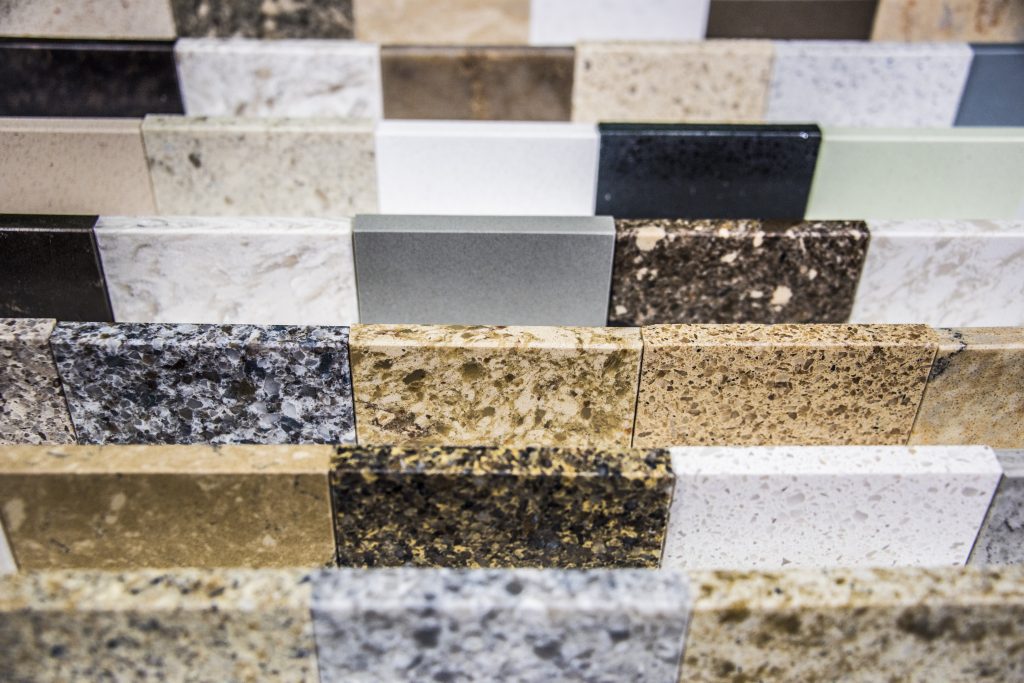
Stone chosen in isolation often feels disconnected once the kitchen is complete. Stone chosen as part of an integrated design tends to age better visually. It feels like it belongs.
When homeowners rush the decision, they often prioritize safety over satisfaction. Neutral choices made under pressure can feel uninspiring once the renovation dust settles. Conversely, stone selected thoughtfully becomes a focal point that grows more familiar and comfortable over time.
Early selection also allows homeowners to understand how stone behaves in real life. Lighting, maintenance, texture, and finish all affect daily interaction. When these factors are considered early, the kitchen becomes easier to live with, not just easier to photograph.
Granite Empire of Nashville, as one of the leading granite stores in Lewisburg, TN, emphasizes this long view. A kitchen is not a short-term project. Stone selection should reflect how you want the space to feel five, ten, or fifteen years from now.
How Should Homeowners Sequence Stone Selection Correctly?
The most effective sequence is simple but often overlooked.
First, confirm layout and function. Second, begin stone selection. Third, finalize cabinet specifications with stone in mind. Fourth, install cabinets. Fifth, template and fabricate.
This order prevents redesigns and reduces stress. It also creates room for thoughtful decisions rather than rushed compromises.
Homeowners who follow this sequence report smoother installations and fewer surprises. The kitchen feels cohesive because it was planned that way.
Stone is not the last piece of the puzzle. It is one of the first pieces that makes the rest of the picture clear.