

Modern kitchens are no longer just places where meals are prepared. They have evolved into central living spaces where families gather, conversations happen, and daily life unfolds. As kitchen layouts continue to open up, homeowners often face a common design dilemma: should the space center around a kitchen island or a dining table? The good news is that natural stone surfaces can blur the line between the two, offering a solution that combines function, beauty, and long-term value.
Stone surfaces bring strength, visual impact, and versatility into kitchens of all sizes. When thoughtfully designed, a stone island or stone-topped table can replace or complement traditional dining furniture, creating a unified space that works for cooking, dining, entertaining, and everyday living. This is where material choice, layout, and craftsmanship matter most.
Below are key questions homeowners ask when deciding between a kitchen island and a dining table—and why stone may be the ideal answer to both.
Can a Stone Kitchen Island Really Replace a Dining Table?
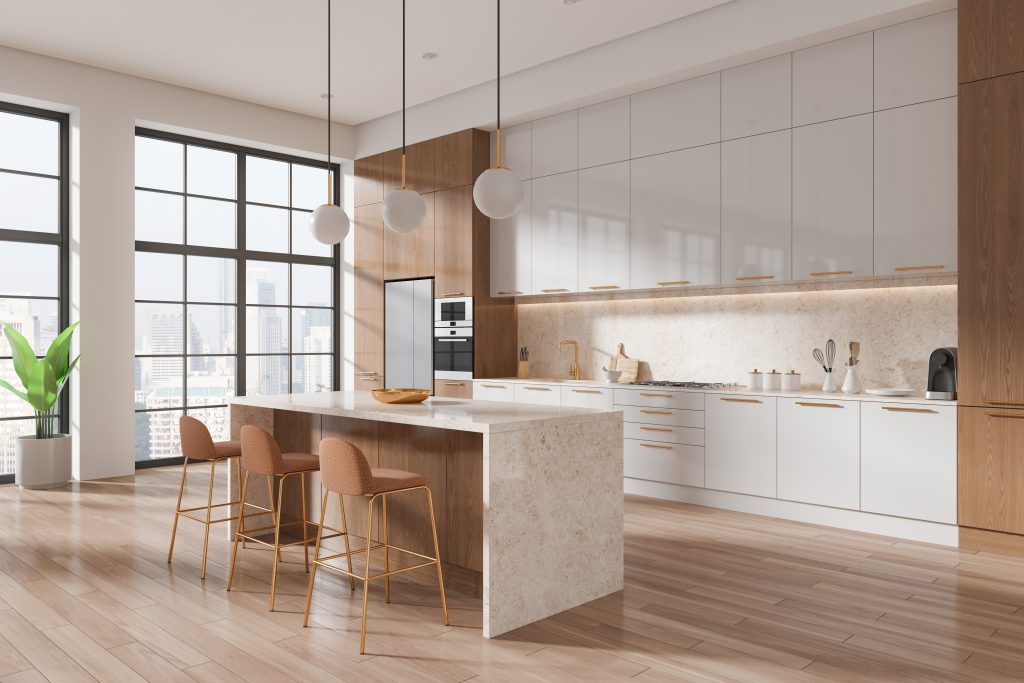
This is one of the most common questions homeowners ask when planning a kitchen renovation. Traditionally, dining tables served as the main gathering place for meals, while kitchen islands were reserved for prep work. Today, those roles often overlap. A well-designed stone kitchen island can easily replace a dining table while offering even more functionality.
Stone islands provide ample surface area for seating, serving, and daily meals. With proper overhangs and seating arrangements, an island can comfortably accommodate family dinners, quick breakfasts, or even extended gatherings with guests. Unlike many wooden tables, stone surfaces are highly resistant to heat, spills, and wear, making them especially practical for busy households.
From a design perspective, a stone island creates visual continuity within an open kitchen. It keeps all activities centered in one cohesive space rather than separating cooking and dining into distinct zones. This is particularly valuable in homes where space efficiency and flow are priorities.
Granite Empire of Nashville works with homeowners who want kitchens that support real-life use without compromising on aesthetics. By choosing stone for an island that doubles as a dining surface, homeowners gain a durable centerpiece that meets multiple needs without overcrowding the room.
Is Stone Practical Enough for Everyday Dining?
Another frequent concern is whether stone surfaces are practical for everyday meals. The short answer is yes—when properly selected and installed, stone performs exceptionally well in dining environments.
Natural stone surfaces handle hot dishes, spills, and frequent cleaning with ease. Unlike wood, which can scratch, stain, or warp over time, stone maintains its integrity and appearance for years. This makes it ideal for families with children, frequent entertaining schedules, or anyone who wants a low-maintenance dining solution.
Comfort is also an important consideration. When paired with appropriate seating and edge profiles, stone surfaces feel just as welcoming as traditional tables. Rounded or eased edges improve comfort while maintaining a refined look. The cool touch of stone can even be an advantage in warm climates, adding a sense of freshness to the space.
For homeowners exploring marble countertops in White House, TN, marble offers a unique blend of elegance and practicality when used thoughtfully. While it benefits from mindful care, its timeless appeal and smooth surface make it a popular choice for islands that function as both prep areas and dining spaces.
How Does Stone Help Create a Unified Kitchen and Dining Space?
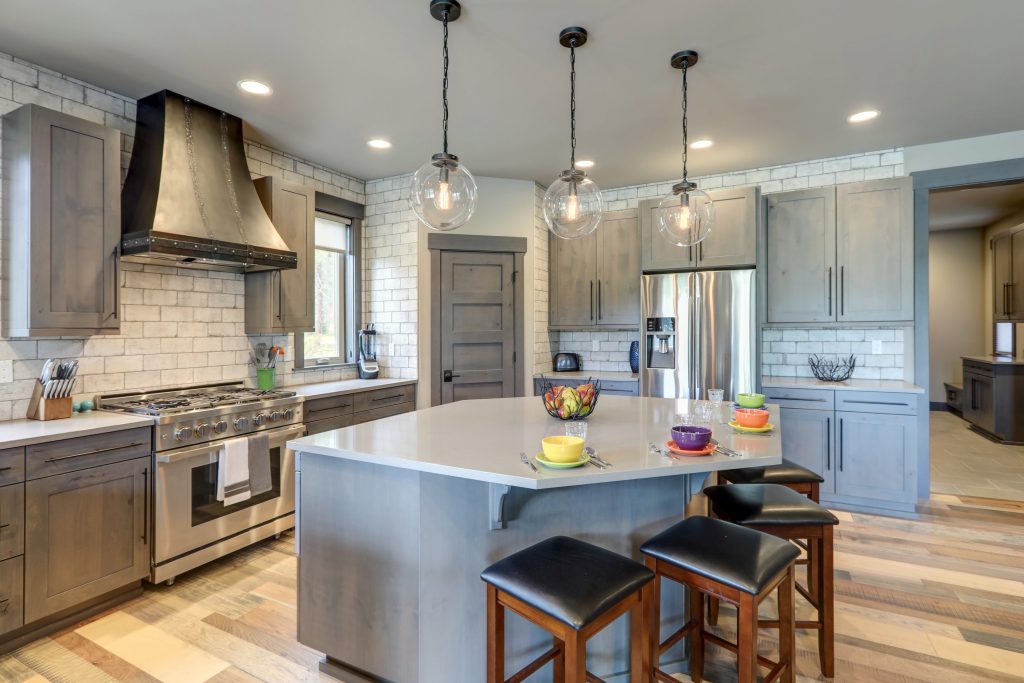
In open-concept homes, visual cohesion is essential. Mixing too many materials or furniture styles can make the space feel disjointed. Stone surfaces help unify the kitchen and dining areas by providing a consistent material that visually connects different zones.
A stone island positioned between the kitchen and dining area naturally acts as a bridge. It defines space without closing it off, allowing sightlines and movement to remain open. When the same stone is used for countertops and island surfaces, the kitchen feels intentional and well-composed.
Stone also pairs well with a wide range of cabinetry finishes, flooring materials, and lighting styles. Whether the home leans modern, transitional, or classic, stone adapts seamlessly. This versatility is one of the reasons homeowners continue to choose stone for multi-functional kitchen designs.
If you’re in search of marble countertops in White House, TN, incorporating marble into a central island can elevate the entire space. Its natural veining adds depth and character while maintaining a clean, cohesive appearance across the kitchen and dining areas.
What About a Stone Dining Table Instead of a Traditional One?
Some homeowners prefer to keep the island focused on cooking and opt for a dedicated dining table—but that doesn’t mean stone has to be excluded. Stone dining tables are becoming increasingly popular, especially in open kitchens where durability and design consistency matter.
A stone dining table offers many of the same benefits as a stone island. It resists heat, stains, and daily wear far better than wood or composite materials. This makes it ideal for families who use their dining table frequently and want a surface that can withstand real-life use.
From a design standpoint, a stone table complements stone countertops beautifully. When the materials are coordinated, the kitchen and dining area feel like parts of a single, thoughtfully designed space rather than separate rooms competing for attention.
Granite Empire of Nashville helps homeowners explore both island and table options to determine what best suits their lifestyle. In many cases, stone allows homeowners to enjoy the best of both worlds—functional dining space and a visually unified kitchen.
Does Choosing Stone Add Long-Term Value to the Home?
Beyond daily use and aesthetics, homeowners often consider long-term value when selecting materials. Stone surfaces are widely recognized for their durability and timeless appeal, both of which contribute positively to a home’s perceived value.
Kitchens are among the most influential spaces for potential buyers. A well-designed stone island or stone dining surface can make a lasting impression, signaling quality and thoughtful design. Unlike trend-driven materials that may feel dated over time, natural stone maintains its relevance across changing styles.
For those considering marble countertops in White House, TN, marble’s association with luxury and craftsmanship can further enhance a home’s appeal. When properly installed and maintained, marble becomes a long-term design asset rather than a short-lived trend.
Choosing stone for multi-functional kitchen elements isn’t just about today’s needs—it’s an investment in the home’s future usability and value.

Why Stone Is the Smart Answer to Island and Dining Needs
When deciding between a kitchen island and a dining table, homeowners no longer have to choose one over the other. Stone surfaces make it possible to combine both functions into a single, elegant solution—or to create complementary elements that work together seamlessly.
Stone supports cooking, dining, entertaining, and everyday life with unmatched durability and visual impact. It adapts to different layouts, styles, and household needs without sacrificing performance or beauty. Whether used for an island, a dining table, or both, stone brings cohesion and purpose to open kitchen designs.
Granite Empire of Nashville understands that modern kitchens must do more than look good—they must work effortlessly for the people who use them. By choosing the right stone and design approach, homeowners can create spaces that feel natural, inviting, and built to last.
If you’re in search of marble countertops in White House, TN, stone may be the key to solving the island-versus-table debate while elevating your kitchen as a whole.