

When it comes to choosing the right material for kitchen countertops, one of the key concerns many homeowners have is hygiene. With food preparation happening on kitchen countertops every day, it’s important to know whether your chosen material can harbor bacteria and how to keep your kitchen safe. Among the various materials available for kitchen countertops, granite is often a popular choice due to its durability, beauty, and timeless appeal. But does granite harbor bacteria? And what about other popular materials like marble, quartz, and quartzite? Let’s explore these questions in detail to help you make an informed decision for your kitchen countertop.
At Granite Empire of Nashville, we offer a wide selection of granite kitchen countertops in Lebanon, TN, and specialize in providing homeowners with the information they need to choose the best materials for their kitchens. In this article, we’ll dive into the common concerns about bacteria on stone countertops and examine the safety and hygiene of granite, quartz, marble, and other stone options.
Does Granite Harbor Bacteria?
Granite is one of the most popular natural stones used for kitchen countertops due to its beauty, strength, and resistance to wear and tear. However, like any surface, it is essential to understand how it interacts with bacteria and how to maintain cleanliness.
- Granite’s Natural Properties: Granite is a dense and durable material, making it resistant to moisture, stains, and bacteria when properly sealed. The stone’s non-porous nature means it doesn’t easily absorb liquids or harbor bacteria on its surface. However, it’s important to note that granite countertops must be sealed properly to maintain their resistance to bacteria. An unsealed granite countertop can be porous and may absorb liquids, which can potentially harbor bacteria. This is why sealing granite surfaces is crucial to maintain hygiene.
- Granite Maintenance: To ensure your granite countertops remain hygienic, it is recommended to reseal them every 1-2 years, depending on usage. Regular cleaning with a mild soap solution or pH-balanced cleaner will keep your granite kitchen countertops in Lebanon, TN, free from harmful bacteria. Simply wiping the surface after food preparation and spills will prevent the growth of bacteria, ensuring a clean and safe surface for cooking.
If you’re in search of granite kitchen countertops in Lebanon, TN, Granite Empire of Nashville provides top-quality granite options and proper sealing to ensure hygiene and long-term durability.
Does Marble Harbor Bacteria?
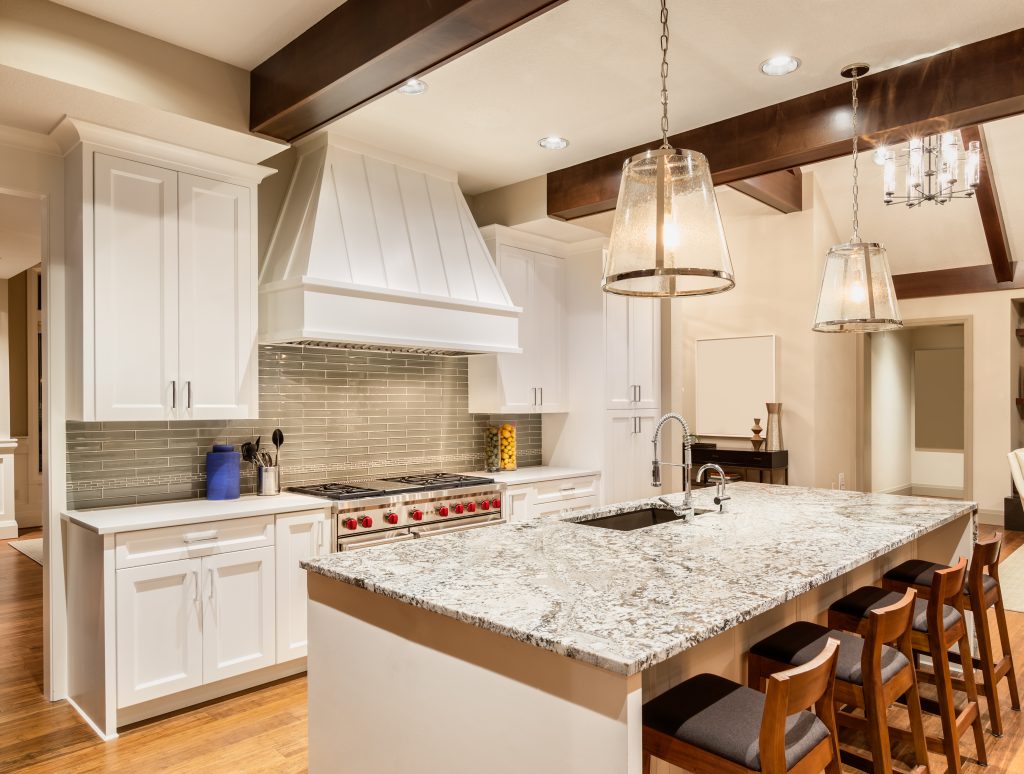
Marble, like granite, is a popular choice for kitchen countertops due to its elegant appearance and classic appeal. However, marble has some unique properties that may affect its bacterial resistance.
- Marble’s Porosity: Unlike granite, marble is more porous, which means it can absorb liquids more easily. While a marble countertop is resistant to bacteria to some extent, its porous nature makes it more susceptible to staining and bacterial growth if not sealed correctly. Spills such as juice, wine, or water can seep into the stone, creating a breeding ground for bacteria. This is why it is crucial to regularly seal marble countertops to reduce the risk of bacteria buildup.
- Maintenance of Marble: To prevent bacteria from harboring on marble, it’s essential to reseal it regularly. Cleaning marble countertops with a pH-balanced cleaner is recommended to prevent damaging the stone. Unlike granite, marble requires more careful maintenance due to its sensitivity to acidic substances (such as lemon juice or vinegar), which can damage the stone and create rough surfaces where bacteria could accumulate.
If you are considering marble or granite kitchen countertops in Lebanon, TN, Granite Empire of Nashville also offers marble countertops, and our team can guide you on proper maintenance to ensure cleanliness and hygiene in your kitchen.
Does Quartz Harbor Bacteria?
Quartz countertops have gained popularity in recent years for their non-porous nature and low-maintenance benefits. But how do they compare to granite and marble in terms of bacteria resistance?
- Quartz’s Non-Porous Nature: One of the main advantages of quartz countertops is that they are engineered with resin, which makes them non-porous. Because of this, quartz countertops do not absorb liquids, making them highly resistant to bacteria and staining. The smooth, non-porous surface of quartz countertops prevents bacteria from settling on the surface, making it an excellent choice for kitchen spaces where hygiene is a priority.
- Maintenance of Quartz: Quartz is incredibly easy to maintain due to its non-porous surface. Cleaning quartz countertops with warm water and mild soap is usually sufficient to keep bacteria and germs at bay. Unlike granite or marble, quartz does not need to be sealed regularly, further reducing maintenance and ensuring a cleaner surface.
For those searching for kitchen countertops, Granite Empire of Nashville also offers a range of high-quality quartz countertops that provide superior hygiene and minimal upkeep, making it an excellent choice for modern kitchens.
Does Quartzite Harbor Bacteria?
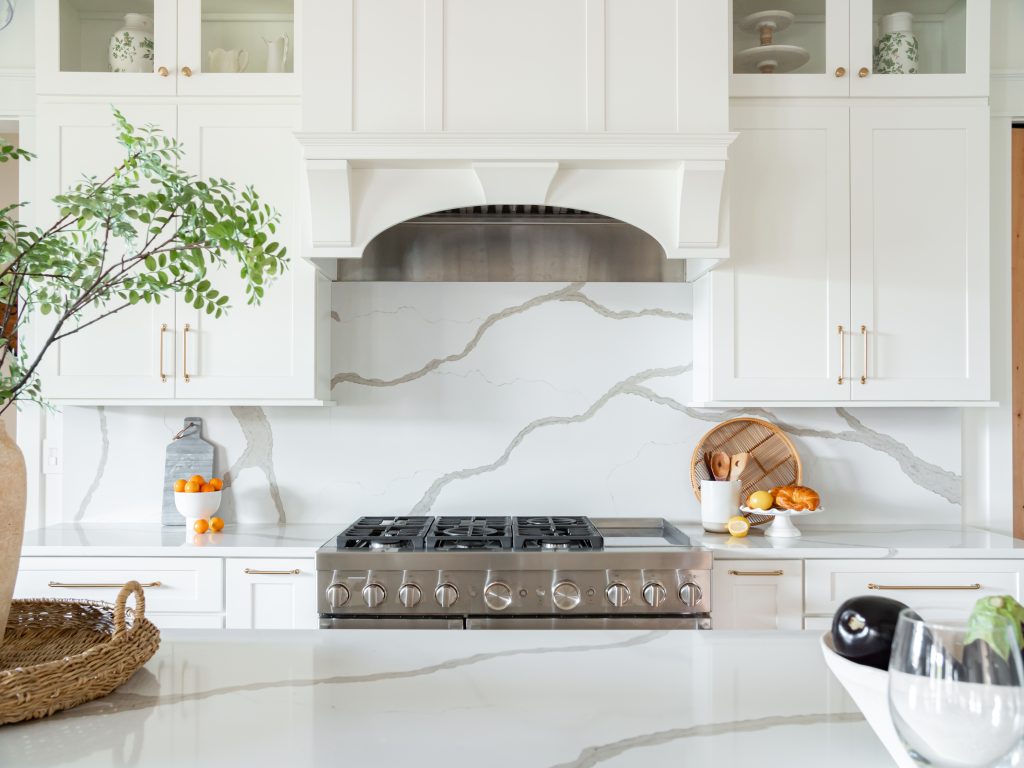
Quartzite is another natural stone option that can make an elegant statement in your kitchen. Like granite, quartzite is a dense material that provides strength and durability, but how does it measure up in terms of bacteria resistance?
- Quartzite’s Resistance: Quartzite is generally non-porous, making it resistant to moisture and bacteria when properly sealed. However, like granite, quartzite should be sealed to prevent it from absorbing liquids. If left unsealed, quartzite countertops can become porous and allow bacteria to accumulate in the stone, potentially causing issues with hygiene.
- Maintenance of Quartzite: Just like granite, quartzite countertops need to be sealed regularly to maintain their resistance to bacteria and staining. The maintenance process involves resealing the stone to protect it from liquids, oils, and other contaminants. Regular cleaning with a gentle cleaner will help keep your quartzite surfaces free of bacteria.
If you’re considering quartzite or granite kitchen countertops in Lebanon, TN, Granite Empire of Nashville provides both quartzite and granite options, with expert advice on how to maintain your stone surfaces for optimal hygiene and long-term durability.
What Are the Best Practices to Keep Your Stone Countertops Bacteria-Free?
Now that we’ve discussed the properties of various stones, it’s important to understand the best practices for maintaining your stone countertops and keeping them bacteria-free. Here are some essential cleaning and maintenance tips:
- Seal Your Countertops: Whether you have granite, marble, quartz, or quartzite, the most important step in preventing bacteria buildup is to ensure your countertops are sealed properly. A high-quality stone sealant prevents liquids and bacteria from penetrating the surface, making cleaning easier and more effective.
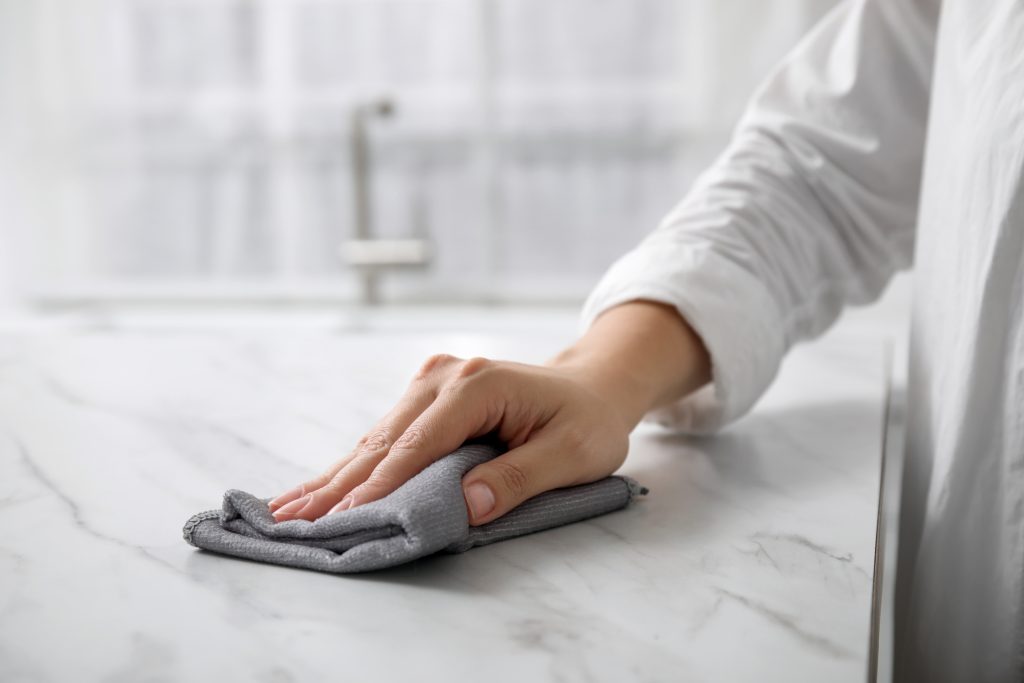
- Use Gentle Cleaners: Avoid using harsh chemicals or abrasive scrubbers on your stone countertops, as these can damage the surface and create microscopic cracks where bacteria can thrive. Instead, use a mild dish soap solution or a pH-balanced cleaner for regular cleaning.
- Clean Spills Immediately: Whether it’s water, oil, or food, spills should be cleaned up immediately to prevent them from seeping into the stone surface. This is especially important for porous stones like marble and quartzite, which may absorb liquids if left unattended.
- Regular Maintenance: Regular maintenance, including resealing when necessary, will keep your countertops looking beautiful and bacteria-free for years to come. For stone countertops that are frequently used, it’s important to check the sealant every year and reapply it when necessary.
At Granite Empire of Nashville, we offer expert guidance on maintaining your granite kitchen countertops in Lebanon, TN, and other stone surfaces to ensure that they remain both beautiful and hygienic.
Conclusion
When it comes to stone countertops, understanding their bacteria resistance is essential for maintaining a clean and safe kitchen. Granite, quartz, quartzite, and marble all have unique properties that influence their ability to resist bacteria. By sealing your countertops and following proper cleaning and maintenance practices, you can ensure that your stone surfaces remain hygienic and beautiful. If you’re in search of granite kitchen countertops in Lebanon, TN, Granite Empire of Nashville offers expert advice and a wide selection of stone options to suit your needs, ensuring that your kitchen remains both stylish and safe for your family.